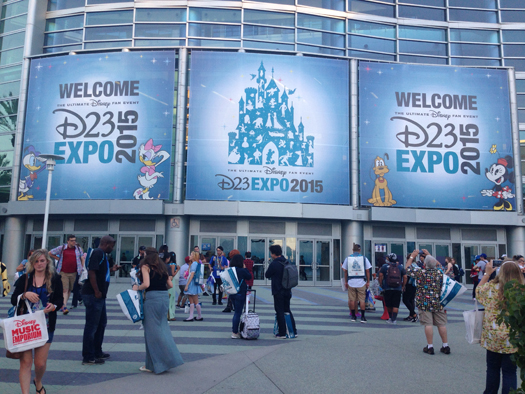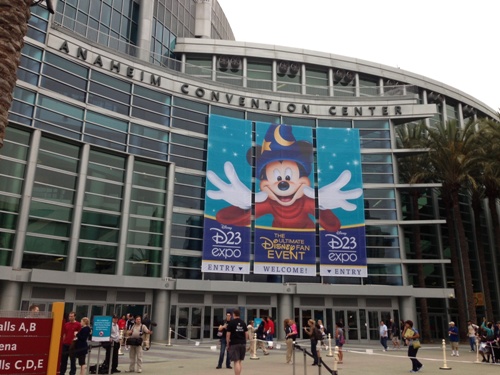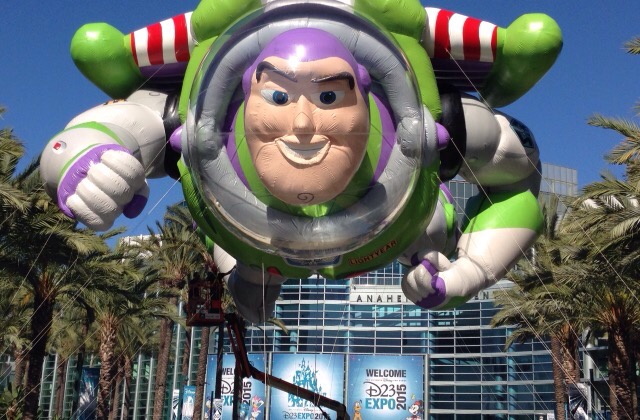
The Walt Disney Company has amassed so many great properties over the years, both through their own in house production studios and also from their multiple acquisitions over the years. And within the last couple years, their massive family has expanded to include the likes of Marvel Comics and Star Wars. With these fan favorite properties, the Disney company has in turn become the most wide reaching media company in the world, and with an audience as vast as the one they have now, there naturally needs to be a place for them to gather and celebrate. So, started in 2009, the Disney Company has made the destination for all their many fans at the spacious Anaheim Convention Center with the D23 Expo. Now in it’s fourth biannual presentation, the D23 Expo has become just as big as any major media convention like Comic Con, and with properties like the ones I mentioned, it is just as much a haven for nerds all across the world. You, my readers will remember that I covered the 2013 Expo in my previous article from the convention floor. And in that previous trip, I learned that a lot of pre-planning was required in order to see the really cool stuff; namely the big media presentations. Well, this year I got myself a three day pass and made sure to find out exactly where to queue up for the big shows, so that this year I will be able to deliver the full experience to all of you from my first hand accounts. So, for the rest of this article, I will give you my day by day experiences at the D23 Expo and help to bring you up to date with all the special experiences and surprises that the Disney company will have in store for everyone here.
DAY 1 (AUGUST 14, 2015)
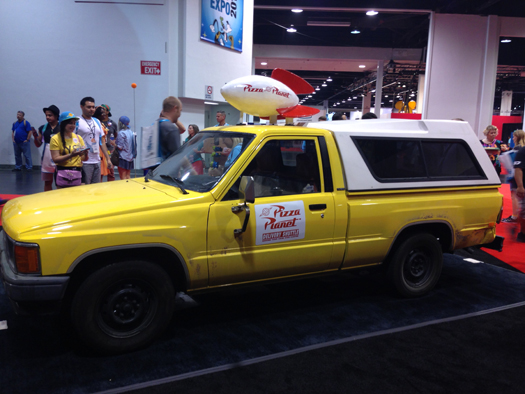
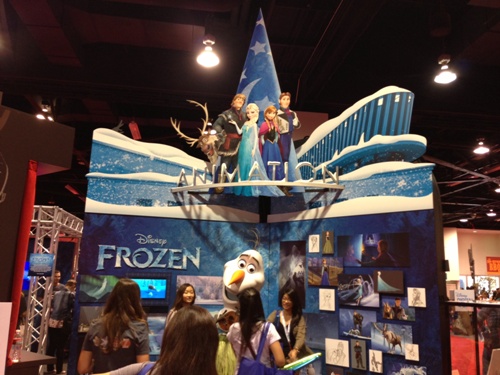
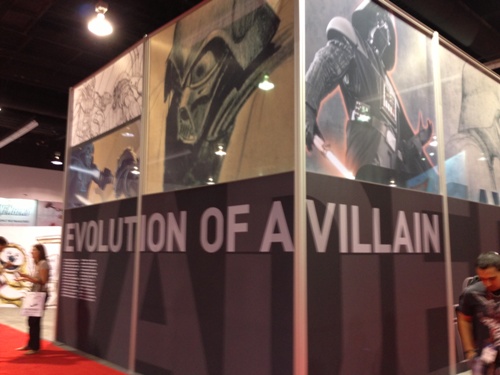
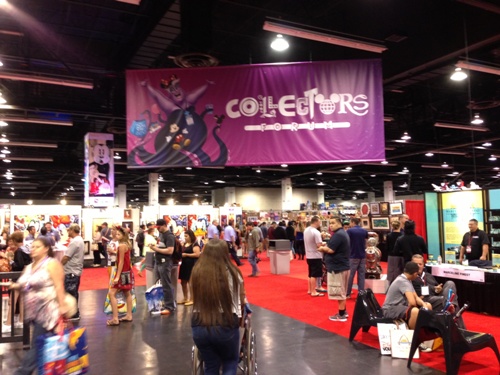
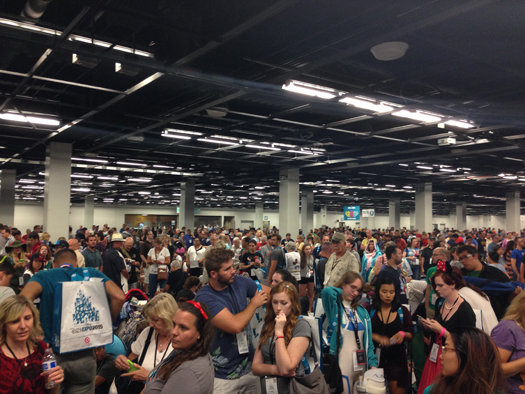
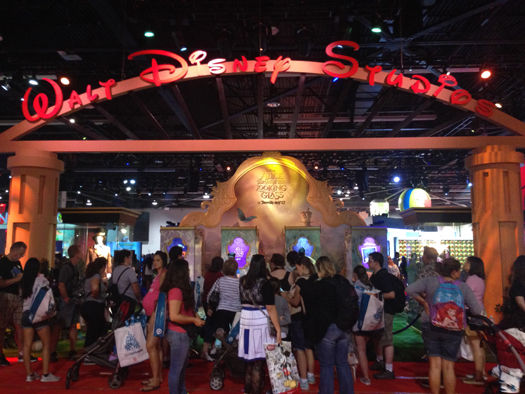
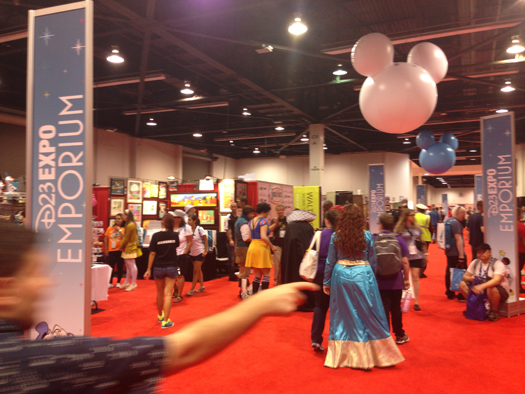
Walking right up to the front gate already gives one a sense of excitement because up front is Buzz Lightyear looming over the main entrance. It’s the very same balloon recreation of the space ranger that Disney had flown in the Macy’s Thanksgiving Day Parade. Of course, past the wingspan of the famed Pixar creation is the entry into the massive Anaheim Convention Center. The place was already filled up by the time I made it through the line, which snaked endlessly in the baking California heat. I walked around the floor and already I saw many of the same wonderful highlights that were present at the last convention, plus a few extra new treats in store. One new addition I noticed was the inclusion of special photo op areas scattered throughout the floor. Many of them were standalone figures of some popular characters like Olaf from Frozen (2013) or R2-D2 from Star Wars (1977). But, there were others that were especially unique like the pizza planet truck, as seen above; fully recreated by a team of expert auto body shop workers. Naturally something like this caught many people’s eye and plenty of photos were taken throughout. Beyond that, exhibits were set up to showcase both the old and new treasures of the Disney company. Some of the new items on Display were costumes and even a few set and prop features from many of the upcoming Disney, Marvel, and Star Wars films. The old was highlighted in the Archive exhibit, which this year focuses on the 60th Anniversary of Disneyland. I have yet to set foot into this exhibit, but will do so in the days ahead. The Collector’s Forum also returned with a lot of specialty booths set up by company’s that either are loosely connected to Disney, or are run by Disney Fan Sites or Marketplaces. I visited a special exhibit there that highlighted the current restoration effort to preserve Walt Disney’s childhood home in Chicago, which is a very worthy effort.
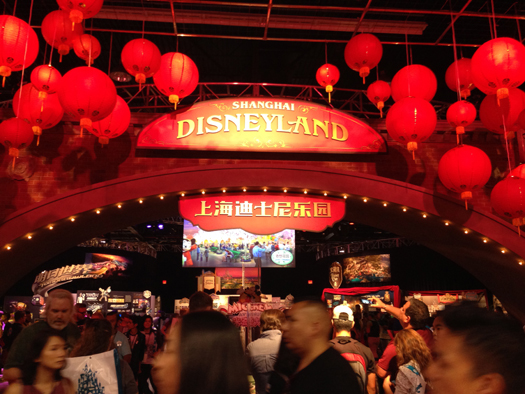
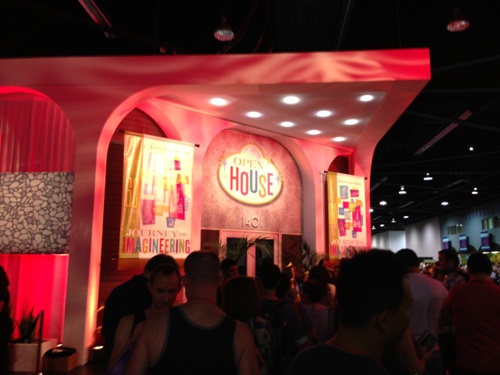
But the biggest exhibit that I visited on my first day belonged to Walt Disney Imagineering. There were two particularly significant presentations here related to their biggest current projects. One of them is the massive Shanghai Disneyland project, currently slated to open in Spring 2016. Shanghai Disneyland received a big chunk of space at the exhibit, with displays highlighting all of the upcoming rides and attractions in the park. Like most other Disneylands around the world, Shanghai Disneyland will feature sections like Fantasyland, Tomorrowland, and Adventureland. But, what is interesting is that none of these lands are going to be complete knocks of all the others. Each land is going to be massive in size and completely encompassing in theme, with rides and structures that will dwarf all other counterparts. For example, the centerpiece Castle will be the biggest one that Disney has ever created, with a restaurant, store, and ride all within it’s structure. The Tomorrowland will be themed closer to the popular movie Tron (1982) than the nostalgia influenced ones we find elsewhere in the world. Pirates of the Caribbean will not only get a swanky new upgrade, themed around the popular movies, but it will also have an entire land devoted to it.
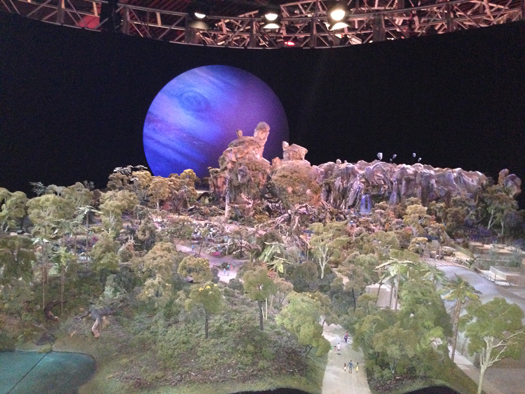
The other section of the Imagineering exhibit was devoted to the upcoming Avatar (2009) themed land going into Disney’s Animal Kingdom in Florida. There wasn’t much shown here other than a massive scale model of the land. In it’s center there will be recreations of the famed floating mountains seen in the movie. There will also be a river themed ride going through a large section of land, plus a whole lot more amazing and high tech attractions. Outside, there was a mock up of the main character from the movie itself (the character played by Zoe Saldana), which of course was set up for picture opportunities. I was impressed with what was shown here, namely all the many exhibits for Shanghai Disneyland. I talked with many of the staff on hand that were there to talk about the different projects, and like the last Expo I attended, most of them come directly from Imagineering itself, which is very cool. I talked to one guy in particular, who was very informative, and tried to prod him for anything else that might be coming to the parks. Of course he was tight lipped, but he indicated that they are always working on cool things for the future.
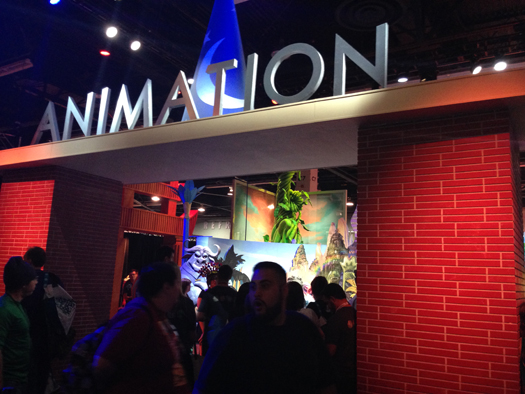
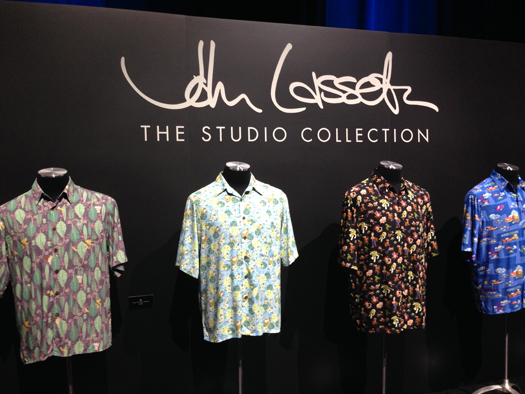
But, what took up most of my day was waiting in line for one of the main presentations; the ones where they show exclusive stuff that won’t be public for months and in some cases years. This was the kind of show that I just had to see. Luckily I made it into a big one, which was the Disney Animation and Pixar Studios Presentation. Here, the studio highlighted the upcoming animated films coming from both studios in the next couple years, and even announce a few that haven’t been made public yet. The show was hosted by the head of Disney Animation, and former Pixar chief, John Lasseter, who his usual playful and enthusiastic self. He was introduced to the audience with a playful joke about all the different shirts he wears; all of which are themed to the movies released by the studio. Those same shirts were also put on display outside for guests to see on the floor. After making reference to his shirt, Lasseter showed off his brand new design that he was wearing, and offered free samples to the audience. But, because this was a playful show, he brought out the T-Shirt girls from nearby Angels Stadium to shoot out the shirts from one of their T-Shirt cannons. It turned out to be a playful start to an exciting show.
First up was the Disney Animation presentation. We were treated to exclusively premiered scenes from the upcoming film Zootopia, which releases in March of next year. They did a good job of highlighting the film’s sense of humor, particularly with a scene showing literal sloths working at a DMV. Next up was the presentation of a newly announced Disney film called Gigantic. This will be Disney’s own full-length feature take on the story of “Jack and the Beanstalk.” Nothing has been animated yet on the film, but preliminary artwork was shown, and the whole thing looks beautiful at this early stage. The filmmakers did reveal that the character Jack’s place of origin will be Spain, and that one of the characters he will encounter in the Land of the Giants will be a spunky young giant girl who treats Jack like a toy, before becoming his friend. The team also broke the news that the songs in the movie will be written by the same songwriters of Winnie the Pooh (2011) and Frozen; the Oscar-winning husband and wife team, Robert and Kristen Anderson-Lopez. The Lopez’s also performed a song from the film, with storyboards from that particular scene in the movie. Afterwards, the presentation presented us with our first look at animation from the highly anticipated Moana, set for release on Thanksgiving 2016. It’s a Southern Pacific Island set story about a Samoan princess who sets out into the wide open Pacific Ocean to explore new land. Along the way, she encounters a demi-God named Maui who guides her on the journey. Some beautiful animated scenes were presented, including one that introduced Maui and Moana themselves. Afterwards, we were greeted with an appearance by Maui’s voice actor, Dwayne “The Rock” Johnson. He seemed genuinely happy to be a part of this project and help to welcome a closing act of an authentic Polynesian rock band, who sang a song from the movie. I was a beautifully done presentation for a film that holds a lot of promise.
Lastly, there was the Pixar presentation, which kicked off with a celebration of the new hit film Inside Out. John Lasseter welcomed the director Pete Doctor, who introduced a new animated short that would be accompanying the movie on it’s upcoming home video release. We got the see the short in question called Riley’s First Date, and it is a fitting follow-up to the movie, depicting exactly what you’d expect. Next was the presentation of the upcoming Pixar movie, The Good Dinosaur, coming this Thanksgiving weekend. The Good Dinosaur director Peter Sohn presented many clips from the movie (which looks beautiful) and detailed the overarching story. He also shared a heartwarming story about how his mother helped to instill in him an interest in movies and animation, which he helped to tell with some charmingly drawn storyboards. After that came the presentation of Finding Dory (Summer 2016) which is the long awaited sequel to the hit film Finding Nemo (2003). After a brief scene setting up the premise (shown first here) we were greeted by the film’s star, actress and talk show host Ellen DeGeneres. She was her usual playful self, and got some good laughs from the crowd, but she stressed how happy she was that this long awaited sequel was finally happening. Along with the film’s director Andrew Stanton (who also made the original) they introduced the new cast members which included Modern Family’s Ed O’Neill and Ty Burrell, and It’s Always Sunny in Philadelphia’s Kaitlin Olson. After this, we got our first look at two films in development, which included a film about the Mexican holiday called Dia de los Muertos titled Coco. The presentation reel for this one was especially beautiful. And lastly, we got an announcement for the upcoming Toy Story 4, which will mark the return of Bo Peep to the series as it turns out in what John Lasseter calls “Pixar’s first love story.” He also revealed that he himself would be directing and that Randy Newman would be returning to do the music. Newman himself closed the program with a live performance of You’ve Got a Friend in Me which closed the show on a perfect note. So, there you go, Day One complete. So, now I’m going to get in a guick sleep so that I’ll be ready for the big live action panel tomorrow. Fingers crossed that I can get in. Because we all know what’s coming next on the live action front.
DAY 2 (AUGUST 15, 2015)
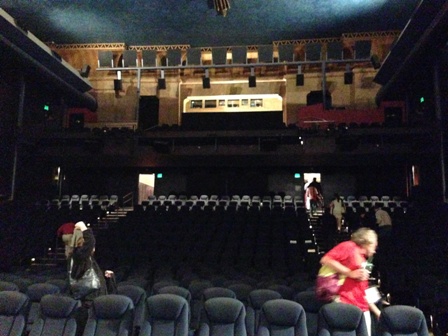
So, you’re probably wondering why I didn’t take any pictures within the big presentations during this Expo. Well that is because all audience members had to check all their electronics at the door so that no pictures of any kind could be taken. Each panel was meant to show exclusive footage and behind the scene material that the Disney Studios doesn’t want to make public just yet, so all of us who managed to make it into the massive Hall D23 would have the honor of getting the first public viewing and spread the word out thereafter. I already lucked out in making it into the first big presentation regarding the Animation department at Disney, but my chances for getting into the live action presentation were much slimmer. When I arrived this morning, the queue line was already packed, and I was sure that I wouldn’t make it in. To my surprise, there turned out to be plenty of room. Albeit, I wasn’t as close to the center of the room like I was at the show the previous day, but I made it nonetheless. And what a show it was. First up was Marvel Studio’s presentation. To begin, Marvel Studios head Kevin Feige introduced a video message from Benedict Cumberbatch, who was unfortunately busy in London and could not be there, who told the crowd how grateful he was to join the Marvel Universe as the mystical Doctor Strange. The movie of the same name has yet to start filming, but Kevin Feige shared with us a sizzle reel of artwork to give us a sense of what the film will look like. Next up was the hotly anticipated Captain America: Civil War. Anthony Mackie (The Falcon) was introduced and he soon welcomed Captain America himself to the stage, Chris Evans. Evans seemed particularly enthused to be there and to show us what appeared to be the first trailer, which won’t premiere for a few months. And, holy crap does the movie look amazing. So many Marvel characters, you could even consider it another Avengers movie.
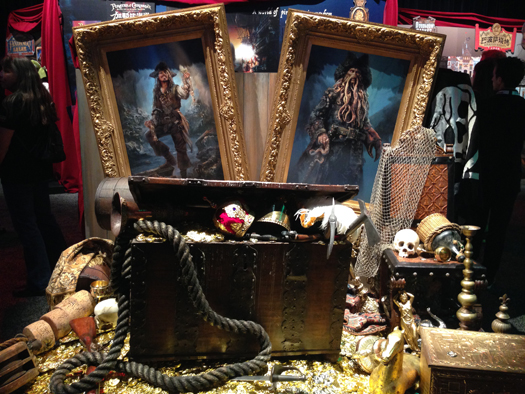
Next up was Walt Disney Pictures. Their presentation began with the winter release, The Finest Hours, which stars actor Chris Pine, who was there in attendance to talk about the movie and his experience shooting it (which involved having endless rounds of cold water splashing over his head). Next was the upcoming live action remake of The Jungle Book. To talk about the movie, director Jon Favreau was welcomed on stage and with him were three of the movie’s co-stars: the young actor playing Mowgli named Neel Sethi (who really charmed the crowd), as well as Oscar-winners Lupita Nyong’o and Ben Kingsley. All of them told us how wonderful they feel having been apart of the movie and they two were treated like the rest of us in the audience to a first look premiere of footage from the movie. Let me tell you, what we saw took everyone’s breath away. It is a gorgeous looking movie and it was also a treat to finally see how the animals would look in the movie, including Baloo with the voice of Bill Murray (yeah!!) and King Louis, voiced by Christopher Walken. Afterwards, we got our first look at the Pete’s Dragon remake, with star Bryce Dallas Howard there to speak about it. Then we got an intro to the Beauty and the Beast remake as well. No cast or crew were present, but the star of the film Emma Watson (Belle) did record a greeting. And then finally, a presentation on the upcoming Pirates of the Caribbean: Dead Men Tell No Tales. This fifth installment in the franchise didn’t have any footage to show, but a special guest did make an appearance. Out walked Johnny Depp, not as himself, but fully in character as Jack Sparrow, munching on grapes. After throwing some of his grapes into the very pleased audience, Jack Sparrow promised to sing for us, which was promptly interrupted by the end of the segment. It was a remarkable and very unexpected surprise for the audience and I was glad to witness it.
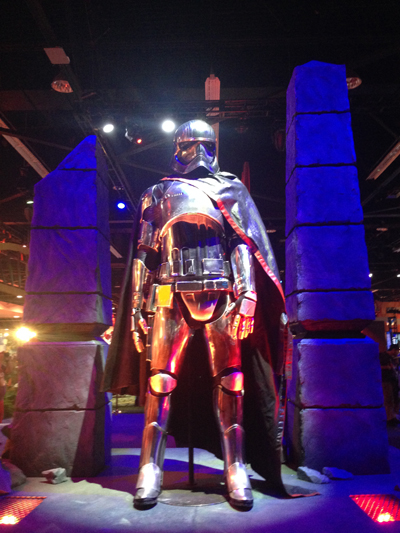
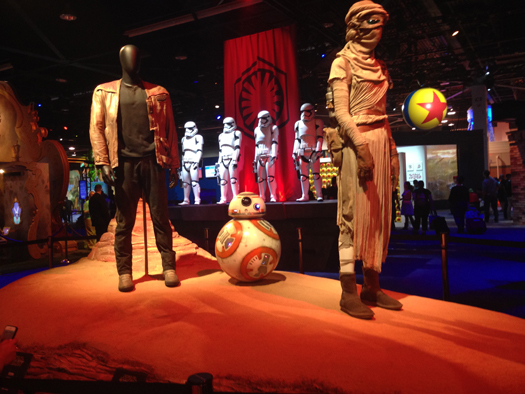
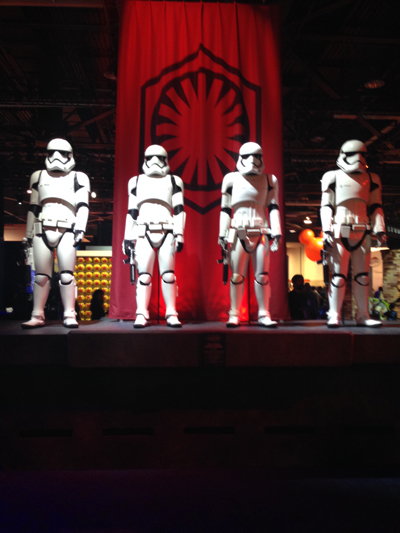
But, we weren’t through just yet. Of course the finish to the presentation had to be the much anticipated Star Wars films. One big announcement to come from this panel was that Jurassic World director Colin Treverrow is now confirmed to be the director of Star Wars Episode 9, which won’t release until 2019. The Star Wars spin-off movies were also highlighted, which includes one that goes into Han Solo’s backstory, as well as another standalone feature called Star Wars: Rouge One. Rogue One is currently filming now, under the direction of Gareth Edwards (Godzilla), and we were treated with the first ever image of the full cast. But, of course, the big highlight was when they talked about the upcoming film Star Wars Episode 7: The Force Awakens. A very tired looking J.J. Abrams was introduced and with him he brought three of the new castmembers: Oscar Issac, Lupita Nyong’o, and Daisy Ridley. There was no new footage to show, but they did reveal a very cool looking poster made by Drew Struzen that everyone in the audience was going to receive a copy of. On the poster, we saw the presence of Han Solo, which got a good reaction from the crowd. But they weren’t done there. All of a sudden, J.J. Abrams welcomed the stage Han Solo himself, Harrison Ford. It was a huge surprise the brought the roof down in the auditorium. Harrison may have had a brief showing there, but wow, what a great surprise. But, even that was the end. After that, Disney CEO Bob Iger walked onto stage and broke the news that Disney Imagineering was currently working on a Star Wars themed land for both Disneyland and Disney World. It was yet another amazing surprise that completely floored the audience. I can’t tell you how lucky I feel to have witnessed all that in person, as this has easily been the highlight of my Expo experience so far.
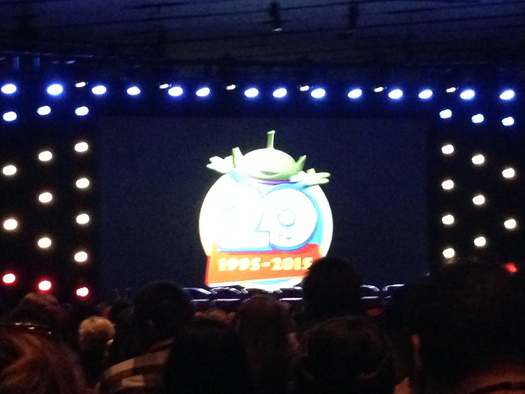
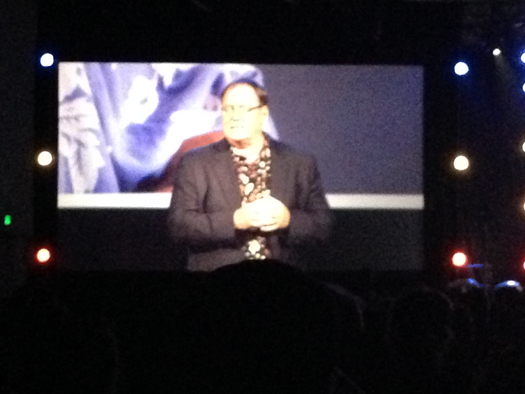
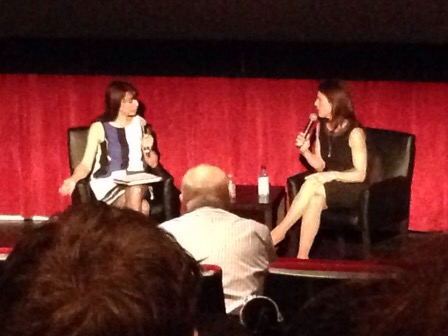
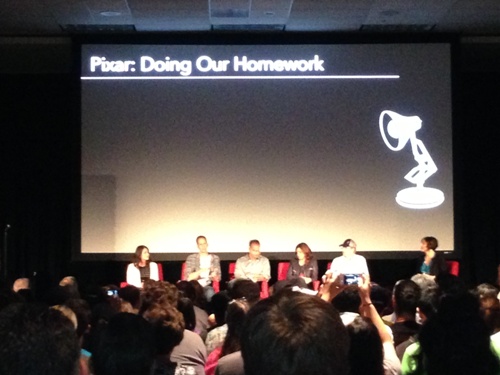
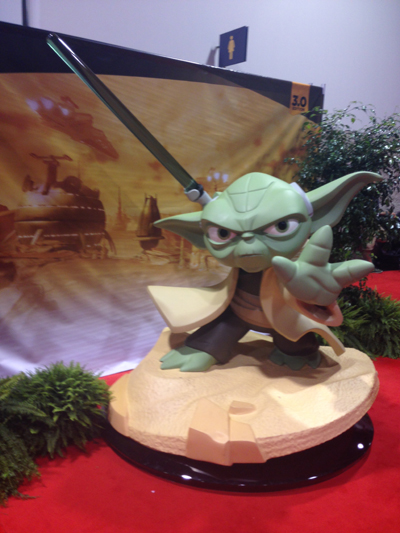
After the show, I walked around the show floor to take in all the different experiences available. Nothing new had been added overnight, but I was finally able to spend a little more time on the floor to see stuff I’ve been missing. I did wait in line for nearly two hours for the Disney Infinity exhibit an my reward was a green screen picture with The Hulk and a complimentary figure from the game itself, which hasn’t yet reached retail outlets; so there’s a nice score. After these couple of hours wandering around, I decided to complete my day with one of the smaller panels; one in which I did get to keep my camera. It was a panel celebrating the 20th Anniversary of the release of Toy Story. John Lasseter was on hand and as he put it, this was the presentation that was going to make him and all his fellow panelists feel old. The other panelists included Lasseter’s fellow filmmakers, who themselves have gone on to make award winning films themselves; Andrew Stanton (Finding Nemo, Wall-E) Pete Doctor (Up, Inside Out) and Lee Unkrich (Toy Story 3). Each of them shared a lot of fascinating stories about how they went about making what would be the first computer animated movie ever made. The discussed the evolution of the story as well as how the characters evolved over time (Woody was apparently much larger than Buzz Lightyear in the early phases of development). Lasseter also pointed out how Mattel passed on making Toy Story character toys for the films original release; something that he continually likes to remind them about to this day. It was a very introspective presentation and it was great to hear these old time collaborators and friends reminisce about making history. Overall, my second day at the Expo proved to be an eventful one and I can’t wait to be back tomorrow morning to get in my one last taste of this amazing convention. It’s going to be tough to top today’s events, but you never know what kinds of surprises D23 might have in store.
DAY 3 (AUGUST 16, 2015)
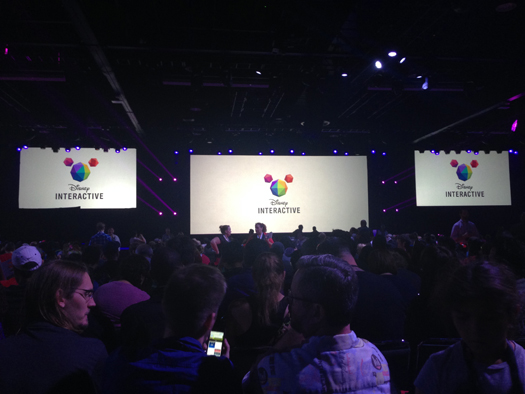
Well, it’s been a long couple of days, but the many sights and sounds have made all the tiring hours worth it. On this day, I once again arrived super early to get into the final big media presentation of the Expo. This morning show was set aside to highlight Disney Interactive, the video game publishing wing of the company. Though not as hard to get into as the live action presentation, there was still a healthy helping of hardcore gaming fans who were eager to see what new surprises the Disney company had to share about their upcoming games; especially with two in particular. First up, news was shared about the Kingdom Hearts 3 game that is still in development. Game manufacturer Square Enix has collaborated with Disney on this series since it’s inception, and members of the game’s production team were present to announce that the hit movie Big Hero 6 would be used as a level in the game, much to the crowds’ approval. Next up was news of upcoming mobile games, as well as an interactive play game called Disney’s Playmation, which involves online connectivity with action figures. Next, a whole bunch of Star Wars game news, including the reveal of a brand new arcade console called Star Wars Battle Pod, which looked really interesting and immersive. Star Wars Battlefront from Electronic Arts was also highlighted in anticipation for it’s fall release and Sony PlayStation spokesman Adam Boyes was on hand to reveal a new limited edition Darth Vader PlayStation 4 console that will hit the market during the holidays. Yet another reason for me to get a PS4. But, the part that I was most excited for was saved for last when Disney Interactive detailed what was in store for their blockbuster game Disney Infinity. I’m an avid player of this game, and I was happy to see all the new surprises that they had in store for the game, including new characters. Not only that, but everyone in the crowd walked away from the show with a free Mickey Mouse figure that’s playable in the game, as well as a limited edition game power disc that you could only get at that conference. I think I may have found an exclusive prize even more valuable than my Star Wars poster.
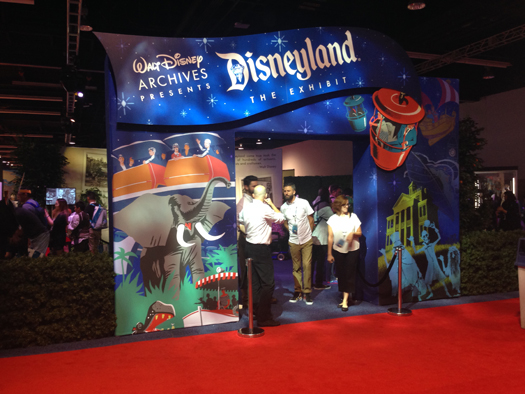
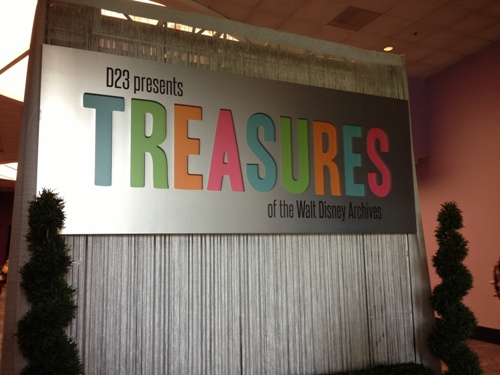
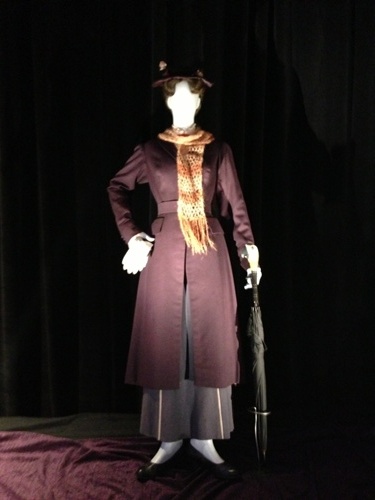
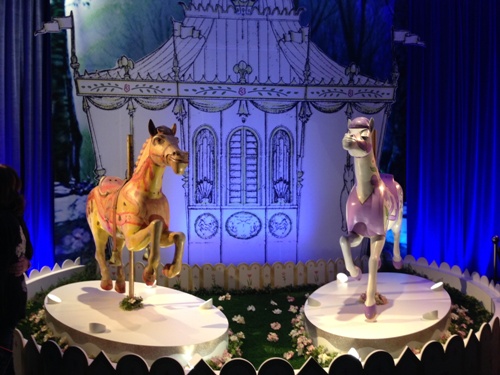
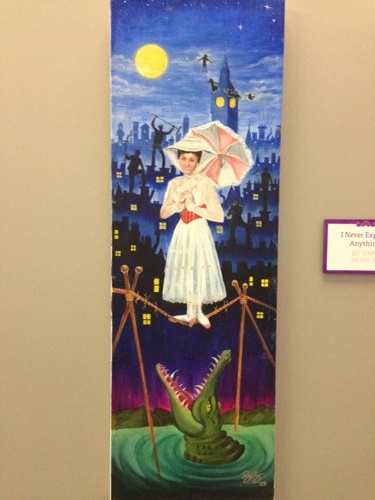
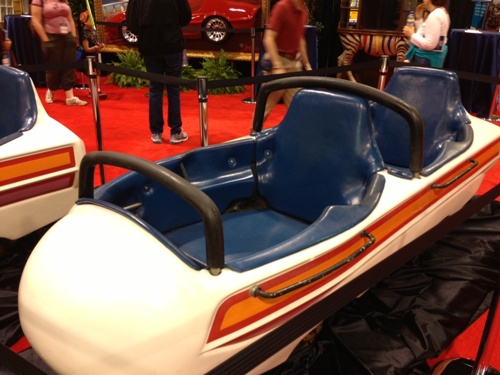
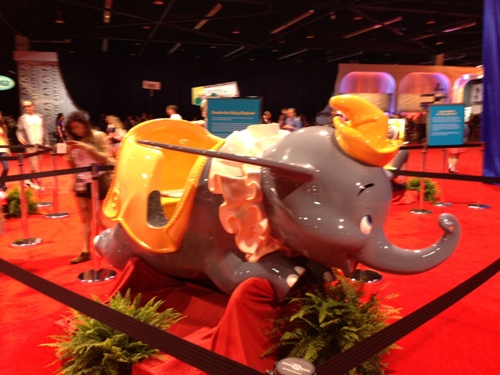
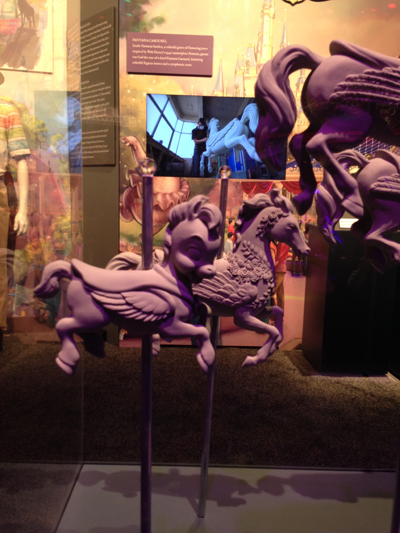
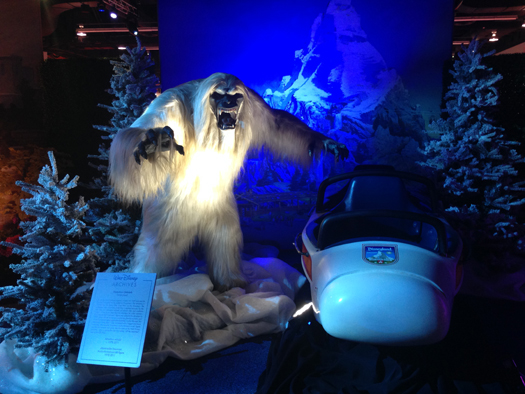
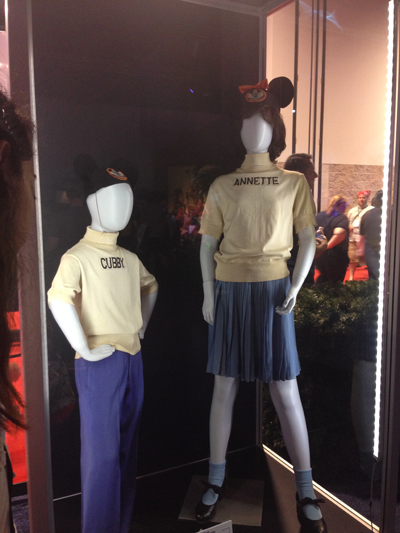
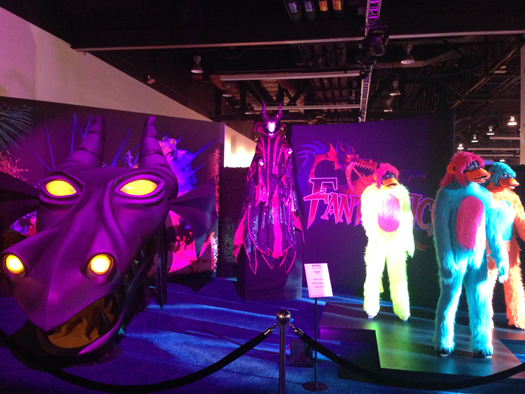
With my last show out of the way (there was a Frozen fan celebration in the Hall D23 afterwards, but I wasn’t interested enough to attend) I was able to use my last few hours at D23 Expo to do all the things that I hadn’t done in the last couple days. Chief among them was finally making a visit to the Disney Archives exhibit on the show floor. A couple years ago at the last Expo, I reported that the Archives exhibit was dedicated to the film Mary Poppins (1964), highlighting it’s then 50th Anniversary. This year, the exhibit was devoted entirely to celebrating the 60th Anniversary of the park right across the street from the Anaheim Convention Center; Disneyland. In all the 60 years that Disneyland has operated, it has amassed a great many attractions, some of which have been cleared out to make way for the new. In this exhibit, the Disney Archives laid out on display some of the more notable artifacts from the park’s long history. Up front, you will find many articles of material related to the creation of the park, including land markers and survey equipment. The next section is dedicated to the park’s opening, and there I saw the very first Disneyland ticket sold (bought by Walt’s brother Roy, for a $1) along with a copy of Walt’s opening day speech. Beyond his for the rest of the exhibit were displays devoted to pieces of the park removed over the years to make way for something new. Some of the most interesting artifacts seen here were old animatronic figures, like the recently removed Abominable Snowman from the Matterhorn attraction, figures from defunct shows like Country Bears Jamboree and America Sings, as well as the old dragon’s head from the popular Fantasmic show (the single largest artifact in the exhibit). It was especially neat to get an up-close look at all these pieces of history collected by the Disney Archives, especially the ones from attractions that are long gone. It really gives you a sense of the passage of time in the parks history, celebrating it’s timelessness while also appealing greatly to our sense of nostalgia. It certainly makes me excited to see what new exhibit will be there at the next Expo, and what will be on display then.
With the hours running down, I tried to take it in as much as I could, because even with three days, it’s still difficult to take part in every experience. This year’s Expo worked really well for me thanks to better planning and giving myself more than one day to experience it. Had I just done the one day like I had at the previous Expo, I wouldn’t have truly experienced much at all, because this year Disney made it a much bigger and better experience than before. The last Expo utilized only about 2/3 of the total floor space at the Anaheim Convention Center. This year, it nearly took up the entire ground floor, with only a little room to spare. It makes me wonder if the Expo might outgrow even the immense acreage that the ACC occupies, which I’m sure is being taken into account because the Convention Center is currently under renovation in it’s north wing and inside the domed arena. I’m just happy that Disney is putting more and more effort into this Expo the more popular it becomes. It’s only fitting that the world’s largest media company would go to great lengths to entertain and please their fans in the best way possible. As a lifelong Disney fan now in adulthood, this D23 Expo appeals both to the grown up part of me that is fascinated with all the behind the scenes workings of the company, as well as the inner child who still enjoys playing with the characters, singing the songs, and getting excited about what’s coming next. But, what I especially like about this Expo is the sense of community that comes out of it; something that is true for most other conventions as well. It’s a place where you can meet a complete stranger, strike up a conversation and bond over the same common thing, that being a love for all things Disney. I met a lot of nice interesting people at the Expo this year, and part of the fun was just sharing our different experiences there as well as discuss our connections to the Disney fandom that we all share. Disney’s marketing slogan this whole year has been “show your Disney side,” and there has been no better place to see that in full bloom than at the D23 Expo. I look forward to what is coming next in 2017, but until then, I will have fond memories of my 3 days at this hot spot of Disney fandom.