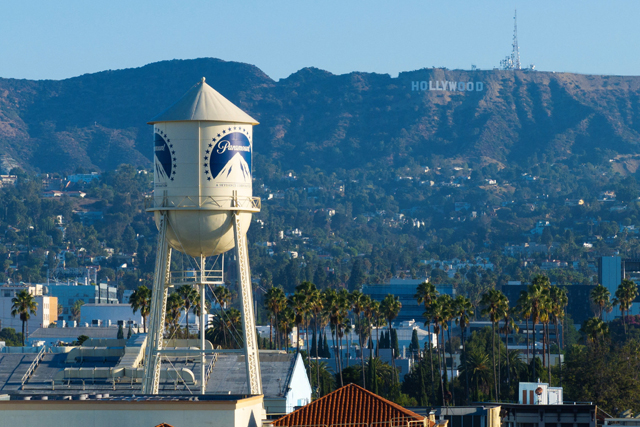
Fading Hollywood – What the Paramount Warner Brothers Merger Means for the Future of Entertainment

In the last 10 years, we have seen a dramatic shift in the make-up of Hollywood, and not in a good way.  The streaming wars ignited by the rise of Netflix sparked a frenzy of business restructuring at all of the Hollywood studios.  To deal with this newly formed means of distribution, each studio poured billions of dollars into development of their own platforms as well as into producing exclusive content that would play on those platforms.  In all that rush, some of the power players in the industry weren’t able to keep up.  So, then came the era of mergers and acquisitions, where the mid-level majors began to be gobbled up by the bigger companies.  Not only that, but a giant shift towards tech companies being involved in the entertainment began to occur.  Amazon Studios, the production wing of the largest online retailer in the world, merged with the MGM/UA after Amazon bought the once mighty studio after they need to be financially bailed out.  Rupert Murdoch decided to put 20th Century Fox on the market after 30 years of ownership so that he could cash in and focus more on his new media empire in his twilight years.  After a fierce battle, Disney won out and acquired Fox for a then record $75 billion transaction, which put Disney into a staggering amount of debt that they are only now starting to manage after a couple turbulent years of budget cuts.  But now, that merger between Fox and Disney seems pretty small compared to the looming $111 billion deal struck to merge two of Hollywood’s most legendary studios into one: Paramount and Warner Brothers.  This deal has been controversial to say the least, and is causing a lot of justifiable worry across the industry as a whole.  There are a lot of concerns about what it’s going to mean for employment opportunities, for the independence of the media, for what kind of entertainment value we are going to get, and for the legacy of two of the studios that were instrumental for creating Hollywood into what it is.

This merger has happened on the heels of yet another mega-merger that led into this one.  Paramount, which had been under the steady ownership of Viacom for 30 years, was now looking for a buyer after the passing of the company’s longtime CEO Sumner Redstone in 2023.  Sumner’s daughter Shari needed to grapple with a significant amount of debt that was affecting the bottom line of Paramount Pictures after the limited success of the launch of their streaming platform Paramount+.  That relief came with an offer from Skydance Media’s CEO David Ellison, who were frequent production partners with Paramount on a variety of projects over the years; most notably the Mission: Impossible movies.  In a deal valued at $8 billion, the Skydance assets would be merged into Paramount Studios, and the new company would carry a value of $28 billion.  Shari would step aside from management of the studio side, with David Ellison taking over as the new CEO.  This now put David Ellison in the driver’s seat of one of the top “Big 5” studios in Hollywood.  But, his ambitions didn’t end there.  He had sights on gaining even more control of the industry.  In September 2025, Ellison proposed the idea of acquiring Warner Brothers Discovery, one of Paramount’s competitors in the film industry.  He then met with David Zaslev to propose a deal which would be a cash and stock bid for $19 a share.  Bound by legal obligations to his shareholders, Zaslev had to publicly announce that Warner Brothers was now officialy up for sale, and sought to see if anyone could beat Paramount’s price.  Indeed for a moment it did appear that there was.  Netflix put in an even stronger offer to buy the Warner Brothers studio for $82 billion.  This wasn’t even for all of the assests that Warners had; they just wanted their studio and the library, with linear television assets likely to be sold in a seperate deal.  But Ellison was not through yet.  Despite an agreement in principle already being reached between Netflix and Warner Brothers, Ellison put up yet another offer that blew away all that had been seen before in Hollywood; $111 billion for everything; all of Warner Brother’s assests including linear television, such as their cable networks HBO and CNN.  Netflix walked away and the deal seemed to have been reached.  Paramount and Warner Brothers were now going to be joined into one.

Of course, mergers of this size cannot go through so easily.  Anti-trust laws in this country require oversight of the impact that such a deal may have over the market as a whole.  Combining two of Hollywood’s major studios into just one entity would make it so that the majority of media in this country would now be in the control of just four mega-corporations: the new Paramount/WB studio, Disney, Comcast (the owners of NBC Universal) and Sony.  This would greatly limit competition in the marketplace when only four players are competing, and this can effect everything from job opportunities with the industry as well consumer pricing.  If anti-trust laws worked the way they are supposed to, a merger like this wouldn’t be allowed to move forward, and if it were, it would still take months to years of review to get the all clear.  But this is where the red flags become even more apparent, as David Ellison and his father Larry Ellison (the world’s second richest man) have a cozy relationship with the current Trump administration.  And sure enough, not only has Trump and his allies given the greenlight for this deal, but they have even speed run through it, giving the deal the minimalist of oversight.  A lot of that probably has to do with Warner Brothers being in possession of CNN, one of the most watched cable news networks in America.  With the Ellisons taking over the network and exerting editorial control over their news room, Trump can now force another news outlet into compliance with favorable coverage of his administration.  And this may have likely been the deal the Ellisons made with the President to speed up the approval process.  But, not all clearance was so easily made.  State governments wanted more assurance from Paramount that this wasn’t going to affect the job market of the already hurting and highly competitive film industry.  With California leading the way, 11 state attorney generals filed a legal hold on the merger, preventing it from closing until they could have a court hearing to plead a case that the deal was breaking crucial anti-trust laws.  Many legal experts believed that the state AGs had a strong case to make and could force many crucial concessions from Paramount to ensure that long term damage was not made to the industry.  Unfortunately, Paramount exerted enough political pressure that California’s attorney general Rob Bonta folded and the last ditch effort failed to stop this merger.

There are a lot of problems about this merger that range across a variety of issues.  One is the fact that we are going to lose yet another independent studio in Hollywood.  One doesn’t have to look very far to see how one of these mega-mergers has a ripple effect across the industry.  When Disney acquired Fox, there was some hope that the two studios would simply operate as two pillars under one roof.  But alas over time, we clearly saw who won out in that merger.  20th Century Fox quickly began to recede into the background at Disney.  For one thing, the Fox part of the name was completely jettisoned, with 20th Century Studios being the new rebrand.  The once mighty studio that dated back to the silent era of Hollywood was now just another brand under the Disney umbrella with no more importance to the company than what Pixar, Marvel and Lucasfilm already offered.  Disney did acquire the whole of Fox’s library, but thus far we have only seen the spotlight given to the studio’s most famous films such as The Sound of Music (1965), while most of the other titles are just taking up shelf space in Disney’s expanded library.  And this was just the cost to the legacy of the studio.  Because of the staggering amount of debt that Disney took on to close the deal, steep financial cuts were made across the company; especially with regards to labor.  Several thousands of well paying jobs were cut across both studio entities, and those who were let go had few options available to them in Hollywood, as there was less competition overall thanks to the merger that had also cost them their job.  And taking on ownership of Fox didn’t help with the quality of Disney’s productivity either.  It certainly didn’t help that Disney also faced the struggles of Covid as well as the mis-management of failed CEO Bob Chapek’s short run in that same amount of time, but when your company is spending so much of it’s time cutting spending that it desperately needs and putting money where it doesn’t need to be, it’s going to lead to some bad results.  Disney didn’t improve after acquiring Fox; it more than anything suffered a blow to it’s reputation as a creative friendly company.  That’s the worry that many are having about what may happen when Paramount and Warner Brothers are merged together.

Another big worry is the intention behind acquiring Warner Brothers for the Ellison family.  It’s been observed that David Ellison has been pushing an agenda within Paramount since acquiring the studio.  This is apparent with what is going on at CBS, the network that was already under the Paramount umbrella from it’s Viacom days.  CBS’s programing has been tampered with very much by the Ellisons, most clearly in the news room side of things.  David Ellison appointed Bari Weiss as the head of CBS News, a former New York Times columnist and blogger with no prior experience in running a broadcast newsroom.  Weiss managed to convince David’s father Larry to buy her blog, the ironically called “Free Press,” for a baffling $250 million price tag, and in exchange she now has full editorial control over the news output of CBS and it’s subsidiaries.  In exchange, she must now devote CBS News’ coverage to the pet causes of the Ellison family, which includes favorable treatment of the Ellisons’ ally Donald Trump, as well as promoting the industries that the Ellisons are involved in, namely data centers and AI.  Proof of Weiss doing the bidding of her media overlords is the decision she made to kill a story on the program 60 Minutes that was exposing the brutal conditions of the illegal immigrant detention centers that the Trump administration was running.  This was a clear example of her silencing anything that may appear critical of the current administration in a deliberate act of censorship, which she had hypocritically had championed herself as a fighter against.  Another sign of the Ellison’s pushing their agendas across their companies was the decision they made to cancel the Late Show with Stephen Colbert, despite it being a ratings leader in it’s time slot.  Colbert’s show was not losing audience interest, and had been retaining it’s viewership better than some of the other late night talk shows that had long been seeing a downturn in the last decade.  No good excuse was ever given as to why they canceled the show.  The only excuse that we have to go with is the speculation that Colbert was cancelled because he’s been an unapologetic critic of the President and his administration, and that this cancellation was retaliatory.  If the Ellison’s are able to exert this much control over the editorial and creative chocies of their company, it’s safe to say that there are a lot of worries about what they’ll do to the parts that belong to Warner Brothers.

There’s also the question about what kind of debt the company is putting itself under.  Disney financially suffered after they merged with Fox, but that was for an amount that was $40 billion  less than what Paramount is acquiring Warner Brothers for.  You have to ask, where is the money coming from.  A significant portion of that is being funneled by David Ellison’s father Larry, whose tapping into his own vast fortune that’s been built up from ownerships of data centers and investments in AI.  But it’s not the only source of money put into the deal.  The Ellisons are also getting financial backing from foreign entities as well, including wealth funds from the governments of Saudi Arabia, Qatar, and the UAE.  So, one of Hollywood’s most important media empires that about to acquire another major media empire, will be under the influence of petrol states with some dubious human rights records.  That’s going to make a lot of people in Hollywood anxious, given that these studios have always operated as American institutions.  Sure, it’s not the first time that Paramount fell under the ownership of oil barons, as they were a subsidiary of Gulf+Western before Viacom took over.  Apart from the dubious alliances of who is investing in this deal, the staggering amount is going to overwhelm the newly formed company for a while as they have to deal with a mountain of debt.  This puts a lot of pressure on the company that already has been promising too much upfront.  David Ellison, in order to convince investors that this is the best possible deal (especially for wary movie theater owners) he has promised an ambitious 30 movie a year slate of films making their way to the big screen.  How they are going to pay for that amidst the debt obligations that they’ll also have to cover every year is beyond anyone’s guess.  There’s no way that they’ll be able to do this without making steep cuts to labor and significantly restructuring the company.  And even that probably won’t even cover the many expenses that David Ellison has been promising shareholders.  And what then happens if it all collapses.  What happens if the AI bubble bursts, and the Ellisons lose a significant part of their fortune meant to invest in their new studio?  What if they are forced to sell, and what do they sell?  Who ends up buying the remains of what the Ellisons turned Paramount and Warner Brothers into?  The reality is that the Ellisons may end up leading to the ruin of not one but two of Hollywood’s most legendary studio brands.

And this leads to an examination of one of the biggest red flags of them all; David Ellison himself.  Ellison fancies himself as one of the biggest power brokers in Hollywood, but it’s largely been a dream financed largely by his family name.  Larry Ellison gave David the financial backing to form Skydance Media 20 years ago, which he also did for David’s sister Megan Ellison, who founded the indie film production company Annapurna Pictures.  Credit where credit is due, Ellison did oversee Skydance become a success over the years, particularly as a producer of successful action movies.  When Paramount was looking for his new leadership, he made his play and got the merger between Skydance and Paramount done, putting him in the position of CEO at a major studio, which probably was a dream come true.  It’s easy to believe him when he says that he does what he does out of love for movies that he’s telling the truth.  But, saying one thing and doing another is different.  The problem with Ellison is that he’s been in the job of CEO now for 2 years at Paramount, and he has yet to actually demonstrate anything close to a creative vision for the studio.  Instead, he has spent the majority of his tenure focused entirely on this deal to acquire Warner Brothers.  His laser like focus on that has left a creative hole at Paramount.  The studio has been a non-entity at the box office this summer, with it’s highest grossing movie of the year embarrassingly being the Scary Movie reboot, which grossed little over $100 million domestic.  If David wanted to make a power play for Warner Brothers, he should have demonstrated he could lead Paramount to box office glory first.  There’s no visionary direction going on right now at Paramount, and that lack of vision could sadly also extend to Warner Brothers once the deal closes.  And Ellison’s approach to getting the deal done has been rather unsavory as well.  He has been really callously brushing aside real concerns from industry professionals, trying to gaslight everyone into thinking this is essential for Hollywood to survive.  He’s also acted like a bully, threatening anyone who has resisted the merger.  His most recent threat was that he was going to move Paramount out of California and take it to a more politically “friendly” state like Texas or Tennesse.  Sadly, no one called his bluff, because that threat would never have been practical.  Paramount has deep roots in California which it has built up over 100 years, and moving a whole studio away from that and starting new in a whole different state would have been extremely cost prohibitive.  Plus you would also be leaving the biggest talent pool in the nation behind; not just with celebrities, but also with below the line workers as well.  Tom Cruise is not going all the way to Nashville to take a meeting with David Ellison.  He’d rather do a meeting close to home, like most other people in Hollywood would.

As of right now, the deal seems to be moving forward.  As of this writing, only one last legal roadblock remains, and all it’s going to do is delay the inevitable by a couple weeks at most.  It’s unfortunate that so many caved to the pressure put on them by the Ellisons who have in many ways bullied their way into the halls of power in Hollywood.  If this all goes through as it seems it will, it’s going to be dire for the industry as a whole.  The job market will shrink even more as it has in the film industry over the last couple years.  Another legendary studio will be consumed by another, ending it’s legacy as an independent player.  The big worry is that the Ellisons may have gotten in way over their heads trying to take over so much of the media landscape in such a short amount of time.  Sure, they have the support of the White House for now, but nothing lasts forever, and future administrations will be more diligent when it comes to enforcing anti-trust laws.  In the case of this merger, if David Ellison doesn’t fulfill every obligation he promised the state governments, the investors, the movie theater chains, and just the audience in general, it will lead to the implosion of the new studio he created out of the assets of Paramount and Warner Brothers.  If a sale in the future happens, the two studios won’t be split up into what they once were like nothing ever happened.  Both the remains of Paramount and Warner Brothers would be sold off as scraps one piece at a time, and that would be the end of two legendary studios that were instrumental in the building of Hollywood as a whole.  This is the great danger of these big media acquisitions; the loss of cultural institutions.  Warner Brothers and Paramount had identities that were all their own, and they functioned much better as competitors rather than as part of the same company.  That’s what Hollywood needs more than anything else; more competition.  David Ellison says that his plan to merge the two studios is so that they together can be competitive in a market that includes the likes of Disney, Netflix, Amazon and Apple.  But he would have better made his case for more competition by using the time and money his studio had not in trying to acquire another studio, but to improve what he already had, and sell that as competition to the rest of them.  Sadly, Hollywood is not investing the money where it should go in general, which is back into the industry itself and investing in better talent and product.  The Paramount/Warner Brothers deal is sadly just showing us how little the actual art of filmmaking is being valued by the people in charge, and instead it’s all about making power plays and exerting more control over the media we consume.  In essence, it’s making the magic of Hollywood feel more and more like a faded memory, found now only on celluloid treasures of the past.
Resident Evil (2026) – Review

Video game movies may be having their moment right now, but their history goes back to even the earliest years of the video game industry.  For the most part, most of the movies based on these games were pretty awful, as it seemed downright impossible to translate the video game experience into the format of a feature film.  But, a few films managed to stand out over that time.  One of the few successes of the early days of video game movies was a film based on the Resident Evil game series.  Resident Evil, which was developed by Capcom (the same studio behind Pac Man and Mega Man), made it’s debut on the original PlayStation console in 1996.  It was a groundbreaking game, pioneering many of the game tropes that we still see today in survival horror and third person shooter gameplay.  The Resident Evil series is still going strong many console generations later, with it’s ninth numbered entry Resident Evil 9: Requiem released earlier this year.  The first couple games in the series proved to be so successful that it didn’t take long for Hollywood to jump on the bandwagon.  In 2002, the first Resident Evil movie was released, directed by Paul W.S. Anderson and starring Milla Jovovich, both of whom would eventually become a real life married couple.  While Resident Evil (2002) didn’t break any box office records, it did perform well enough to lead into a sequel and become a franchise, eventually spawning 6 films in total with Jovovich as the lead.  While the films continued to succeed on their own, they did so separate from the video game franchise they were based on; taking the same central premise, but building on their own separate continuity that was not part of the canon of the games.  Eventually, the Resident Evil movies petered out, with Resident Evil: The Final Chapter (2017) being pretty much a non-starter at the box office, and the series was put on ice for a while.  Sony, the studio behind the series (and the creators of the PlayStation console) were looking for a new way to bring renewed life into this series, especially as the games themselves were experiencing their own Renaissance in recent years.

It took nearly a decade, but they have finally managed to bring the series back to the big screen, and in a package that I think a lot of people may not have expected.  Just like with the revival of the video games, which returned back to it’s survival horror roots with Resident Evil 7: Biohazard (2017), this newest entry is bringing the horror element back into the movie series after the more action oriented Paul W.S. Anderson films that came before.   But who would be the person to bring that vision to life.  Sony welcomed fresh new pitches from a variety of filmmakers, but the one that won them over came from a director who is currently on a hot streak in Hollywood.  Zach Cregger has come a long way from his beginnings as a sketch comedy performer, getting his start as part of the Whitest Kids U’Know troupe.  After that show’s run had ended, Cregger shifted gears into becoming a filmmaker, which eventually led him to working within the horror genre with his breakout film Barbarian (2022).  The movie managed to hit it’s mark with audiences, and that led to Warner Brothers giving him the greenlight for his follow-up feature, which became a phenomenon in it’s own right.  Weapons (2025) won wide acclaim from horror fans and critics alike, with it’s intriguing premise, central mystery, and it’s surprising third act twists and turns.  Not only did it become a huge box office success, but it even managed to turn into an Oscar-winning film as well, with Amy Madigan picking up a Best Supporting Actress award for her iconic turn as the villainous Aunt Gladys in the film.  So, with him already riding high off of the success of Weapons, Sony is gaining the benefit of having a filmmaker with some prestige behind him to reinvigorate their dormant franchise.  Interesting enough, Cregger is not joining this film franchise as a filmmaker looking for a paycheck.  He’s a long time fan of the game franchise himself, and this new movie is based on his own pitch.  The only question is, what kind of movie are we getting out of this; a Zach Cregger movie, a Resident Evil movie, or a mixture of both into something new that marks a new chapter for both parties involved?

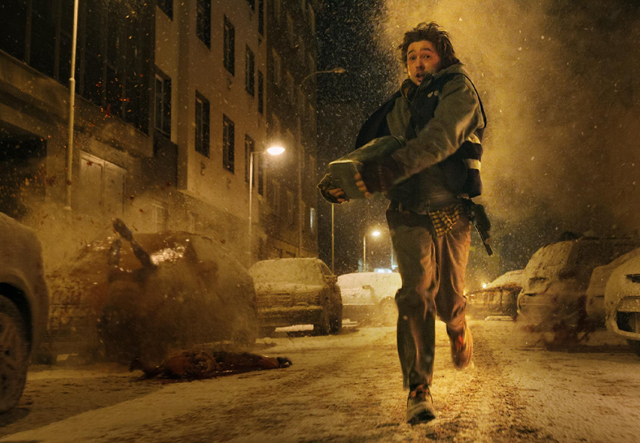
The film takes place on a cold, wintery night.  Organ transplant courier Bryan (Austin Abrams) has been through a long day and is ready to check out, until one of the doctors at the hospital that he just made a drop off to asks for him to make one final delivery.  Bryan almost passes, until he learns that the delivery pays double.  So, he accepts the assignment and is given his parcel in a green, cold storage courier bag.  The destination he must travel to is Racoon City General, and it must be a non-stop express trip, which is treacherous in the wintery conditions outside.  Bryan begins his trip, while also simultaneously speaking with his girlfriend Michelle (Sara Paxton) on the phone, discussing the recent discovery of her pregnancy.  While Bryan is deep into his conversation with his girlfriend, he suddenly runs into a pedestrian crossing the icy secluded stretch of road in the middle of the night.  He stops his car to see the condition of the person he just hit.  He finds the woman, but she is unresponsive and acting bizarrely.  He attempts to take her to the nearest hospital, but is later stopped by a police officer.  The officer (Johnno Wilson) sees this as a suspicious incident, but takes the woman into his custody, instructing Bryan to follow him to the station.  While Bryan follow the police officers car, he sees it swerve off the road.  Investigating what has happened, Bryan finds the officer dead in the vehicle and the woman missing.  Then suddenly, the woman returns and starts chasing Bryan like a wild animal.  Bryan only manages to subdue her by shooting her with the police officer’s gun.  But even that doesn’t stop her, and Bryan soon learns that something has transformed the woman into a zombie like entity that will continue to resurrect even if you shoot parts of it’s body off.  After several harrowing encounters with other frightening creatures, Bryan eventually gets picked up by Officer Maxine (Kali Reis) and a representative from the Umbrella Corporation named Paul (Paul Walter Hauser), who tells him that all this mayhem is spreading from a lab leak started in Racoon City.  Bryan now learns the vital assignment of his job because he’s carrying something that could reverse the horrific things that have been happening.  But once he arrives in Raccoon City, he soon learns that things have only begun to get worse for him.

For disclosure sake, I will state that I have very little personal experience with the Resident Evil series both on the big screen and with the video game titles as well.  I do own two of the games in the series, Resident Evil 7 and the Resident Evil 2 remake, received as free monthly games through my PlayStation Plus memberships, but I have yet to sit down and actually play through them.  I also have never seen one of the Paul W.S. Anderson films, because none of them really interested me.  What I do have is just a passing knowledge of the video game lore that has worked it’s way into the pop culture.  So, I am aware of Leon and Wesker and the Umbrella Corp and the rage virus.  But, that’s about it.  I don’t have much of a hands on experience with the games or the movies.  And that actually makes someone like me the perfect target for this new film.  The most refreshing thing about Zach Cregger’s Resident Evil is that you don’t need to bring an encyclopedic knowledge of everything that has come from the Resident Evil franchise before.  The film’s scope is refreshingly small, focused almost entirely on the point of view of the character of Bryan, who is going through what looks like the early stages of the outbreak that is central to the plots of the video games.  You never will have needed to play any of the games nor seen any of the movies to easily settle into this story.  Instead, Cregger just puts you right in the middle of the chaos, allowing us to experience the horrific event rather than forcing us to learn all the details.  That doesn’t mean that Cregger is disregarding the lore of the games either.  If anything, his story can still count as a canon event within the franchise.  It’s a story taking place in the same world, with all the same elements like the Umbrella Corp. and Racoon City being a part of it.  Somewhere off screen Racoon City PD are investigating a mansion overrun by the same zombies in this same world.  The film rewards long time game fans with Easter eggs that allude to other things going on in the Resident Evil franchise, but it also allows us neophites a chance to follow along with a blank slate.  That helps to make the film a great stand alone piece that you can enjoy regardless of our personal history with this franchise as a whole.

I can imagine that Cregger had this idea for a story set within a zombie outbreak that could have been associated with this franchise or not.  If Sony had passed on it as part of their Resident Evil franchise, then he probably would have shopped it around as it’s own original idea to other studios.  The fact that Sony was sold on Cregger’s idea was a great benefit to both him and the Resident Evil franchise.  For one thing, Zach Cregger could allow his story to play out in a franchise that likely was a major influence on it from the story’s inception.  And at the same time, both Sony and Resident Evil can have their long dormant franchise be reinvigorated by a filmmaker with some prestige behind him.  Too often some franchises will bring on a filmmaker of some clout and have them conform too much to their own way of doing things, thereby undermining the director’s vision and purely just end up banking on their name recognition alone.  Thankfully, Sony doesn’t do that.  This is very much a film where Zach Cregger’s signature is found throughout.  What Cregger has managed to show so well in his last couple of films is an expertly handled balance between horror and humor.  His films have some incredibly intense moments with frightening terror.  And yet, he still manages to find points where he can inject a laugh or two into the movie as well.  Weapons handled this balance brilliantly.  I can’t remember a horror movie where an audience was laughing hysterically as hard as they did when that film got to it’s iconic final scene where Gladys get her comeuppance.  That same balance between humor and horror is also expertly handled here in Resident Evil, with the character of Bryan finding himself in way over his head as he tries to survive, leading to some fairly funny moments of the character awkwardly trying to be more of an expert in the situation than he really is.  The movie rides that fine line between horror and comedy, and thankfully neither overwhelms the other.  The comedy comes in at the right moments, allowing the terror to always feel as foreboding as possible.  The only time where I feel like the movie slips in this manner is towards the end, where that tonal balance starts to loosen and I feel like the climax was played a little too comical, especially compared to all the horrific scenes that had come before it.  But, for the most part, Cregger managed to make a movie that effectively makes us laugh just as hard as it makes us squirm in horror.

One of the other things that helps to make the movie shine is just how expertly crafted it is.  The fact that story takes place in the middle of a snowy night really does wonders in building the atmosphere of the story.  Nights in the middle of winter have an eerie silence to them in general, and setting this story about a zombie outbreak in the middle of this really helps to amplify the atmosphere.  Cregger and his team did a great job of creating this feeling of sterile coldness throughout the movie.  You can really get a sense of the biting cold affecting the characters in the movie, and how that adds to the delirium they are going through.  It also adds a different element to the gore, as blood behaves differently in freezing temperatures.  This is evident in a standout scene where zombies are throwing themselves off of buildings towards Bryan whose trying desperately to run down the street to get away from them.  The bodies fall to the ground, and instead of a gloopy splat these bodies would normally make in warmer temperatures, they instead explode like thrown snowballs upon impact.  It’s a great way to show how different the physics would be due to the cold temperatures.  It’s also an amazingly executed stunt done with practical effects.  Remarkably, actor Austin Abrams was nearly killed on set during the shooting of that scene, as a mistimed drop of one of those exploding body bags nearly dropped on top of him, which would have been deadly if he was just a few inches off his mark.  Thankfully he made it through and they got the shot they needed with him still alive and well.  The film was shot by Dariusz Wolski, whose credits include a few Ridley Scott movies as well as the first four Pirates of the Caribbean films.  He brings with him a long history of making visually beautiful shots through some very stark and dramatic lighting, which fits with this film very well.  The film also has a nice pulse pounding score from the Holladay brothers Ryan and Hays, who also scored Weapons for Zach Cregger.  Just like with weapons, the Holladays don’t overwhelm the moments with too much music, allowing the atmosphere itself to carry a scene, but when the movie calls for some tone setting rhythm, they definitely deliver.

But what is going to make the movie stand out more than anything else is the performance of Austin Abrams as Bryan.  He pretty much has to carry the entire load of the film on his shoulders because he is the sole point of view character in the movie.  We witness the entire movie through his eyes, with the film almost taking place in real time, following the character of Bryan every step of the way.  I love the fact that they limited the story of this film to a single character’s experience.  In a way, that makes it closer to capturing the feeling of the video games more than any other Resident Evil movie has before.  The experience that the character of Bryan goes through is not all that different from the experience that most gamers would have playing through one of the video games.  He’s moving from one set piece to another, foraging for any equipment that he can find in order to stay alive, and at times he is forced to think quickly in order to subdue a new enemy coming his way.  But what is great about Bryan is that he’s not a typical video game protagonist.  He’s clumsy and not the most intelligent person either, often making bad choices along the way.  But, his dogged perseverance to fulfill his duty is still inspiring, and you come away really cheering for him to succeed.  Zach Cregger really needed an actor to find that everyman aspect of Bryan’s personality, and thankfully he didn’t have to look too far.  Austin Abrams had already been in Cregger’s orbit, playing a homeless druggie who gets caught up in the events of the movie Weapons.  Abrams impressed in his role there, getting really gaunt to belivably play the role of a junkie to the point where he was largely unrecognizable, and that likely left an impression on Cregger who believed he was perfect for the role of Bryan.  This actually marks Abrams first role as a lead in a major studio film, and he makes the most of it.  Abrams makes Bryan a fully rounded character, playing up all the flaws to his character while also at the same time making him a likable everyman worth rooting for.  He’s also a big asset in getting the film’s tonal balance right, because he does a great job of capturing the terror of each moment, but at the same time also nails the humor as well.  And in a movie where he spends so much time by himself on screen, you really need an actor who can successfully hold our attention throughout the movie.  He is by far the film’s greatest asset and hopefully it becomes a role that leads to even bigger things for him in the future.

If Sony was looking for a shot in the arm to revitalize their Resident Evil series, this was definitely the movie to it.  The greatest thing about the movie is that it very much is a fresh start.  It’s not bogged down by canon and adherence to all that came before it.  At the same time it also doesn’t dismiss the lore of the video games either.  It’s a story that shares just a little corner of the same world that they video games inhabit, so no matter how much or little you know about the backstory of Resident Evil, you will have an easy entry point into this film and will be able to enjoy it for what it is.  It is to the movie’s benefit that Zach Cregger is very much an invested player who managed to find himself being a perfect fit for a franchise that was in desperate need of a new direction.  This wasn’t a gig for him, where he had to conform to the studio’s demands.  Instead the studio gave him the space to let him make the movie his way with their IP, and it resulted in a great little stand alone experience that feels like it’s own thing but also true to the name of Resident Evil.  Cregger’s direction really shines through with his expert balancing of humor and horror, and the film gives a great star-making role to up-and-comer Austin Abrams.  Hopefully this convinces more studios to allow more visionary filmmakers to bring new life to existing IP.  We’ve seen it work before with the likes of Christopher Nolan re-imaging the Batman franchise.  And Zach Cregger has without a doubt changed Resident Evil for the better.  Hopefully the studios will stop being so precious with their IP control and allow filmmakers who are genuine fans experiment with the formula and hopefully reinvigorate the properties to please audiences both new and old.  For myself, I had a very good time watching this movie, even though I have very little personal experience with this franchise as a whole.  It might be time for me to probably start playing these games that have been sitting in my library unplayed for all these years.  It will at least be interesting to see how playing those games compare to the experience of watching this movie.  While not perfect, it is defiintely one of the best video game adaptations that has ever been brought to the big screen, and it’s definitely coming at the perfect time to capitalize on the recent trend of success that video game movies have enjoyed in the last couple of years.  It’s equal parts fun and scary, and a well paced and breezy 90 minute experience.  Zach Cregger is a filmmaker that’s really letting his command of genres shine, and now we know he can deliver with a big studio driven franchise as well.

Rating: 8/10

What the Hell Was That? – X-Men: The Last Stand (2006)

It could be said that the era of dominance with comic book movies at the box office began at the turn of the millennium in the year 2000 with the release of Marvel’s X-Men.  The X-Men comic book series had been around for many years before.  Created in 1963 by the legendary team of Stan Lee and Jack Kirby, it had long been one of the pillars of Marvel Comics, and one of the most widely read franchises in all of comics period.  But unlike their rivals over at DC Comics, Marvel couldn’t manage to get theatrical adaptations of their comic stories off the ground for the longest time.  Animation was a different matter, with characters such as Spider-Man and the Fantastic Four managing to spotlight some popular Saturday Morning cartoons.  But perhaps the most acclaimed series based on a Marvel comic was the 90’s animated series of the X-Men.  Praised for it’s dramatic writing and mature handling of complex themes, the X-Men series hit a note with both young audiences as well as grown ups who had been familiar with the comic books since their youth.  The show aired on Fox Television’s afternoon lineup of cartoon shows, and it’s popularity helped to convince their parent studio 20th Century Fox to invest in a big screen adaptation.  The film would be very different from other comic book movies at the time.  In stark contrast to the campy Batman & Robin (1997), X-Men would be much grittier and take it’s subject matter much more seriously.  The film was directed by Bryan Singer, who 5 year prior directed the Oscar-winning The Usual Suspects (1995), and his style of direction fit with the new tone that Fox and Marvel were wanting to push for this series.  The cast would include some heavy hitters like Sir Patrick Stewart (who was practically born to play Charles Xavier), Sir Ian McKellen, Halle Berry, Anna Paquin, and a then unknown Australian actor with a background in musical theater named Hugh Jackman.  Upon release, the film received instant acclaim from fans across the board, and the film indeed help to set the tone for all the comic book movies that followed.  You don’t get to Sam Raimi’s Spider-Man (2002) or even the entire MCU without this original trend-setter.  Here was a comic book movie that actually stood for something more than just selling more comic books or toys.  X-Men showed that a comic book movie could actually be as compelling as any other serious drama on the big screen.

In three short years, Bryan Singer and company followed up their hit film with a sequel, and it was even more popular than the first film.  X2: X-Men United (2003) took an even bolder stand on it’s themes.  Stan Lee and Jack Kirby always reaffirmed that their X-Men comics were meant to reflect the civil rights struggles in American culture; with the opposing frenemy characters of Charles Xavier and Magneto being strongly inspired by civil rights leaders Dr. Martin Luther King Jr. and Malcolm X.  Mutants in the world of the X-Men are a class of people facing prejudice in society, and the movie doesn’t shy away from that aspect.  In X2, Bryan Singer even brings his own personal experience to the themes of the movie, connecting the struggle for LGBTQ rights into the allegory of the movie.  The film has a scene where the character of Iceman (Shawn Ashmore) essentially “comes out” to his family as a mutant, to which his mother asks “Have you ever tried not being a mutant.”  It’s a heavy handed allegory, but it still lands and was pretty bold in the regressive years of the Bush administration for the LGBTQ community.  The film also included some incredible moments like fan-favorite Nightcrawler (Alan Cumming) sneaking his way into the White House.  And it also included a scene-stealing performance from Brian Cox as the villainous General Stryker.  The movie concluded with a tease for what was to come, with a hint for the arrival of the fearsome Phoenix Force, but unfortunately a few things ended up derailing those plans.  Instead of returning for another X-Men film, Bryan Singer left Marvel to take up another job at DC, where he was going to re-boot the Superman character for the big screen.  This left a major vacancy to fill with Fox’s X-Men franchise, and the longer the studio waited, the less likely they were going to guarantee the return of their all-star cast.  There was hope that someone of Singer’s caliber would ideally take the job, but sadly they were not so lucky.  The job went to Brett Ratner, a filmmaker with, shall we say, a somewhat controversial reputation in Hollywood.  While most of his negative aspects wouldn’t come to light for years after, he was still viewed at the time to be a somewhat bad fit according to fans.

Ratner’s claim to fame came from being the director of the successful Rush Hour movies starring Chris Tucker and Jackie Chan.  He’s not exactly a visionary director, but proved to be competent enough behind the camera to deliver some strong results at the box office.  However, what he had shown was that he could deliver with action comedies.  Directing a comic book movie was another matter.  And not just any comic book movie, but one in a franchise known for having a message behind it.  It became pretty clear early on that Brett Ratner was not going to fit in as easily with this X-Men team as Singer had done prior.  What was particularly apparent during the making of this was Ratner’s behavior on set.  It must have been striking for the returning cast to go from being under the direction of an openly gay filmmaker like Bryan Singer to being directed by a guy who casually used homophobic slurs on the set.  But that was just the beginning of Ratner’s bad behavior.  Elliot Page, who prior to transitioning had played the role of Kitty Pryde in the series, stated in a 2017 interview that he had experienced first hand homophobic abuse from Ratner during the filming of the movie.  Elliot had just recently come out as a lesbian to friends and family, but was still in the closet professionally due to the prejudice that LGBTQ actors still faced at the time.  According to the interview, another actress was told rather callously by Ratner, in front of the whole cast and crew at a pre-production meeting, that she should sleep with Page to remind her that she is gay.  Keep in mind, Page had barely turned 18 at this point in his life, making the remark even more disgusting.  Not surprisingly, Ratner has been revealed to be a known associate of Jeffrey Epstein, so this kind of inappropriate behavior from a person like him towards a co-worker (let alone a barely legal age one) becomes pretty clear.  Thankfully Page had allies amongst his fellow castmates, including a queer icon like Ian McKellen and out and proud bisexual Anna Paquin, and it likely helped him to eventually tell his story years later after becoming more comfortable with his own true identity as a trans male.  Of course, Brett Ratner is an awful person in private, but did his bad behavior contribute to a bad movie?

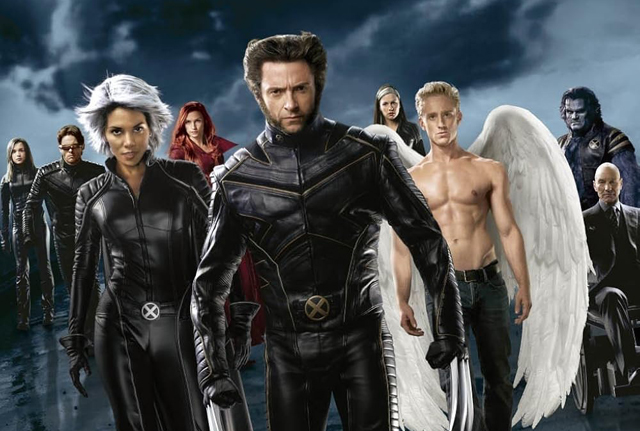
The answer is almost certainly yes, but Ratner alone was not the only thing that sank the film as a whole.  The movie X-Men: The Last Stand is a perfect example of a studio mishandling the direction of a franchise once it has lost it’s creative direction.  With Singer’s departure, there was no clear plan in place for what to do next in the series.  They had some ideas about what the future might be, thanks to the Phoenix teaser at the end of X2, but there was no outline for how to implement the story.  What’s more, they had to keep up the storylines set up in the first couple movies and build onto those as well.  Unfortunately, with a cast as big and costly as the X-Men was, doing justice to all of them was going to be tricky.  And unfortunately, Fox played some dirty tricks to coax some actors back while minimizing their role in the film.  Halle Berry stated that she would only come back if her character storm had a more impactful presence in the storyline, similar to the role the character plays in the comics as one of the team leaders.  She signed on thanks to a script that included a scene where Storm saves a group of kids in Africa.  However, it was later revealed that this script was a fake one, meant to trick Berry into signing a new contract.  Director Matthew Vaughn, who was at the time was developing the film as it’s new director, ended up quitting due to this double dealing deception from the studio.  In the end, Storm is in the film, but barely has any role to play.  But at least she gets more screentime than poor James Marsden as Cyclops.  Marsden had always been given the short end in the prior X-Men movies, with Bryan Singer and company not really knowing what to do with the character, instead putting more focus onto Hugh Jackman’s Wolverine.  Now truth be told, Marsden was going to have a small role no matter what in this movie, because he was following Bryan Singer over to DC to appear in Superman Returns (2006).  But the rather uncermonious off screen death that Cyclops has in the movie feels like an insult, especially to longtime fans of the comic books.  Cyclops is the de facto leader of the X-Men in the comic books, so to see him be treated so disrespectfully by the filmmakers in these movies felt especially sour for fans of the character.  And that’s just the problems with the characters that get the minimal amount of time.

One of the biggest problems with the movie is it’s mishandling of the Dark Phoenix Saga storyline.  The Dark Phoenix Saga is one of the most iconic runs in the X-Men comic book series, involving the telepathic mutant Jean Grey’s possession by the sometimes malevolent Phoenix Force.  The Phoenix Force, in the comics, is a celestial power that takes over the body of Jean Grey and gives her almost godlike abilities.  At the same time, the Phoenix Force grows corrupted while inhabiting Jean and turns her into a threat to human and mutant alike, with the power to destroy the entire world.  For the makers of X-Men: The Last Stand, they seemed to be reticent to the idea of taking this series into a more cosmic direction, so they decided to make the Phoenix more earthbound.  Jean is just born this powerful, making her godlike from the beginning.  What this unfortunately does is to take away any agency in her character as well.  The first two movies established Jean (played by Famke Janssen) as a powerful telepath, but one whose powers are in line with the rest of the X-Men team.  The first two movies did a good job of showing Jean struggling to balance out her powers with the tendencies to push beyond them bubbling under the surface.  In this film, there’s no transition between good Jean and bad Jean.  She’s a villain from the moment she shows up, already in Dark Phoenix mode.  We learn that some of her anger is stemmed from mental blocks that Charles Xavier had put on her from when she was still young, as a way to keep her in check.  We’ll circle around back to the theme of limiting human power, but this revelation doesn’t fully explain why Jean makes the choices that she does in the movie.  Some moments show her having her full faculties when committing some truly villainous acts, while other scenes show her committing carnage while being in a trance like state.  The movie can never quite decide what it wants Jean Grey’s Phoenix form to be, and that’s why many comic book fans felt robbed by this movie.  The Phoenix Saga is a legendary run in the comics, and one that could have been amazing to witness on the big screen.  Instead we get a Phoenix-ish character that feels like it was shoehorned into this movie.  And sadly, it wouldn’t be the last time that Fox would underdeliver when it came to portraying the Dark Phoenix on the big screen.

But what was especially insulting about how they treated the Phoenix Saga is that they paired it with another story line from the comics that was not compatible with it at all.  The other storyline that was used was one called Gifted, written by future Avengers director Joss Whedon.  In the Gifted story arc, the mutants face a new kind of crises as a “cure” for the X-gene that has mutated human DNA has been found.  The question becomes whether it is ethical or not to allow the “cure” to be implemented.  Some mutants desire the “cure” because for some of them their mutations are curses and not gifts.  But there are others who rightly worry that this could be used as another weapon to eradicate mutant kind.  It’s an ethical debate that divides the X-Men as well, which leads to some tough choices throughout the story.  Of course, a movie like X-Men: The Last Stand doesn’t have the intelligence to bring nuance to a plot line like that.  What’s even worse is that it takes the worst side possible in this debate.  The movie defends the idea of having mutants seek the “cure” in an attempt to be “normal.”  The idea that the movie takes of not being a mutant as being “normal” is antithetical to everything that the X-Men comics has stood for over the years.  The very reason that the X-Men exist is to show the heroism in being an outsider who still fights to save everyone they can regardless of who they are.  It’s a storyline that has long fought to end prejudice, and here is a movie that is basically saying that it’s for the better to meet the prejudicial people halfway.  It’s especially shameful given how the movie series started in the first place.  The X-Men movies started as a thinly veiled allegory for LGBTQ rights and here is a sequel movie that is essentially pro-conversion therapy.  Sure, some of the X-Men rightly refuse the “cure” such as Storm, but in the movie Magneto is portrayed as the villain because he wants to put an end to the “cure” and stop it from being used to control mutants; both good and bad.  Sure, Magneto takes extreme measures, such as moving the Golden Gate Bridge in an admittedly cool scene. But, when you look at his motivation, he’s for the most part justified in his attitude towards the cure.

What’s especially irksome about how the movie misuses the Gifted story line is that it puts the defense of the “cure” into the wrong characters.  One of the film’s greatest casting choices was bringing in Kelsey Grammer to play Dr. Hank McCoy, aka Beast.  Grammer’s erudite persona was such a perfect fit for the highly intelligent, fan favorite blue fur skinned X-Men.  Even under the heavy amount of prosthetic make-up, Grammer manages to let the personality shine through in his performance.  Unfortunately, the movie also misuses the character, making Beast a defender of the “cure.”  If there was ever a character that represented the best aspects of mutantkind, it’s Beast.  Despite his outward appearance of a wolf like creature with blue fur, he’s managed to excel as an intellectual, earning his Ph. D. and also rising up in esteem as a diplomat respected by all.  He’s the best example of a mutant not needing to be cured in order to become the best version of himself.  And yet in this movie, he’s making the case that some mutants should have the option to seek the “cure” to bring normalcy into their lives.  It comes back to that false idea of what normal should be.  There’s a patronizing aspect to the movie’s message that an oppressed minority should consider assimilating more into the culture of their oppressors as a way of making things better.  It’s even worse when people of that same minority are put into the role of making that argument, such as seeing gay and lesbian people being hostile towards people who are trans; forgetting that their struggle is still linked with their own.  It’s sad to see any character in the X-Men team making the argument that mutants will have a better future if they “cure” their more extreme powers away, but it’s even worse when they put Beast into that role.  The movie also shamelessly tries to tie this argument in with the Dark Phoenix story line, showing her as proof that mutants need to be controlled by eliminating their powers.  Charles Xavier is uncharacteristically shown to have been guilty of taking that side himself, purposely nerfing Jean Grey’s immense power, largely without her consent.  Yes Jean’s power can be terrifying, but in taking away her self-determination, Charles may have made her descent into madness even worse.  Again, it’s Magento whose got the most morally consistent position in this film; standing up for the rights of mutants to be as abnormal as they choose.  And for that, he’s the villain, who also ironically loses his own powers in the process.

That in the end is why X-Men: The Last Stand is not only a bad sequel, but in the long run over the last 20 years has also proved to be a morally reprehensible movie as well with a pretty toxic position it chooses to hold.  It was a bad time for comic book movies, as it looked like the revolution that Bryan Singer’s X-Men films started was quickly waning due to lackluster sequels like this one.  Things also didn’t work out well for Bryan Singer either.  His re-launch of Superman also proved to be a box office failure.  X-Men: The Last Stand did open to over a franchise record of $100 million, but poor word of mouth also saw the movie lose it’s audience rapidly in the weeks thereafter.  Couple this with another embarrassing failure two years later with X-Men Origins: Wolverine (2008) and the once mighty X-Men franchise was on life support.  Thankfully a couple years later, Fox decided to reboot by digging deeper into the origins of the X-Men.  Matthew Vaughn gave the X-Men another chance and he delivered one of the best films in the franchise with X-Men: First Class (2011), showing the backstory of Charles Xavier and Magento’s friendship and how they formed the X-Men in the first place.  Bryan Singer even returned to direct X-Men: Days of Future Past (2014) and X-Men: Apocalypse (2016), though even that franchise wore itself out as well; and sadly we’ve also learned that Singer is just as much of a creep as Brett Ratner.  Now the X-Men are looking at yet another era of renewal, now that Fox has been bought by Disney and Marvel Studios finally has creative control over these characters again.  A new X-Men team is currently being assembled, with Jean Grey already making her debut in Spider-Man: Brand New Day (2026), played by Sadie Sink.  But at the same time, Marvel is also acknowledging the strength of what has come before, and they are granting the original X-Men actors to return in Avengers: Doomsday for what will hopefully be a better finale than what X-Men: The Last Stand delivered.  Seeing James Marsden return as Cyclops, with a full comic accurate suit to boot, is especially exciting and hopefully he finally gets a chance to shine this time.  Without a doubt, X-Men: The Last Stand is the movie that represents the series at it’s worst; not so much in quality (as Origins: Wolverine and Dark Phoenix are worse made films) but in what it stands for.  It’s a movie that dares to say that mutants should give up being special in order to live a life more “normal.”  Since it’s inception, the X-Men comics have prided itself in showing the bravery and wisdom of the outsiders, and a movie that doesn’t get that point and even runs contrary to the message has no right calling itself an X-Men movie.

Saving Wile – How Fans Managed to Rescue Coyote vs. Acme from Corporate Greed

We know from much of cinematic history that movies can sometimes be lost to the world.  For the most part, these are movies that were made long ago that were forgotten by time and were too far gone to be salvaged by film preservation.  Then there are the movies that disappear out of neglect because their distributors have gone out of business and the movies stop being circulated in the marketplace.  Thanks to the creation of home entertainment it’s much harder now for a movie to disappear, though it can still happen.  But what is even worse than losing a movie through the passage of time is seeing a movie be destroyed even before it has had a chance to even live.  In the wake of the massive shift in Hollywood that has occurred due to the advancement of streaming as well as the disruptions of Covid and the strikes in the last decade, a different kind of way to destroy a film has occurred which is erasing it from the library altogether to collect a tax break.  After the major studios spent a ton of money building out their streaming catalogs in the early years of the boom and realizing very quickly that it all lead to slower than expected revenue growth, many of them decided to capitalize on a short window where they could collect tax breaks on write offs if they were to demonstrate that they would never profit off of these same films and shows again,  This meant that these movies and shows that the studios literally spent billions of dollars on would have to be permanently shelved, or otherwise they lose that tax break.  So, hundreds of hours worth of programming across all the streaming platforms were suddenly wiped out in a flash, so the studios could make a quick profit to satisfy weary shareholders.  But while executives and shareholders were happy, many people who were fans of these shows and films, or were interested in seeing them for the first time, were suddenly denied the choice.  At least for some time these programs had been seen by audiences, but in some cases the axing of projects went even further, where completely finished films were not even allowed to be seen at all.

Enter the main character of this story; a little film called Coyote vs. Acme.  The movie was first pitched to Warner Brothers executives by none other than future DCU creative director James Gunn.  He presented the team at Warner Brothers, which at the time was still under the ownership of Time Warner Inc., a satirical article from The New Yorker which speculated on an imagined scenario where the fictional Acme Corporation of the Looney Tunes cartoons was faced with a lawsuit from the character of Wile E. Coyote.  Gunn saw the potential in this being fleshed out into feature length story, and the executives agreed.  Unfortunately, the project languished in development hell for a number of years while Warner Brothers changed ownership not once but twice.  First AT&T came in, and pushed the project to the back of the line in favor of a Space Jam sequel starring LeBron James.  Then when AT&T was looking to sell their stake in the company, Discovery Networks swooped in and merged with the studio.  Under the leadership of new CEO David Zaslev, there seemed to finally be some momentum for the Coyote vs. Acme project, and cameras started to roll with the movie now being set up as a streaming exclusive for the struggling HBO Max platform.  But then came the day when things were completely halted.  The streaming boom seemed to be falling apart as subscribers were being torn between multiple different channels, all of which cannibalized off of each other and couldn’t continue to grow in the same way Netflix had done in the decade prior.  So, in order to justify the massive costs of operating and expanding these streaming platforms, the studios that launched them now had to begin consolidating and downsizing.  With Warner Brothers now joined with Discovery, this created a massive mound of debt that David Zaslev now had to find ways of paying off, and that meant cutting costs anywhere he could.  A lot of movies and shows were suddenly without warning completely wiped off of HBO Max, never to be seen again, including multi-season shows like Westworld.  But that wasn’t all, movies that were either finished but unreleased were also subject to cancellation, and unfortunately Coyote vs. Acme fell into this camp.

This boggled the minds of so many people in the industry, that a studio that spent tens of millions of dollars on these films could just so casually decide to not release them.  Those millions of dollars went into the hard work of hundreds of craftspeople who devoted several weeks of their time towards making a movie they hoped would be enjoyed by audiences anywhere.  And here it was, the head of the studio deciding that none of that mattered and it was better in the financial interest of the studio to collect a tax write off instead.  Sure, this made a lot of shareholders happy that they were getting paid instead of seeing the studio further lose money on the waning streaming market, but for the creatives that worked hard on the film, there was a sense of betrayal.  Coyote vs. Acme was complete at the time Zaslev decided it would never see the light of the day.  Not only that, but it had already screened for test audiences and performed very well.  But when a studio pulls the plug on a movie in the middle of production, it gives that movie the stigma of being a bad film.  All indications were saying that Coyote vs. Acme was not bad at all, and even great in some test reviews.  But according to Zaslev, the movie was in his words, “unreleasable.”  It was the same assertion that he gave to another movie that got the can that unfortunately suffered a worse fate than Coyote faced.  One of the last projects under the old DCEU franchise was a movie adaptation of Batgirl.  The movie had a nearly $100 million budget and was going to star Leslie Grace as the titular hero, as well as Michael Keaton returning as Batman and Oscar-winner Brendan Fraser playing the villainous Firefly.  The movie was said to be nearly complete, with principle photography already done and only the visual effects left to complete.  But not only did Zaslev and the other execs at Warners decide to cancel the completion of the film; they also ordered the destruction of the material they had already shot so that there was no chance at all of Warner Brothers ever resurrecting the movie again to make money off it, otherwise they lose the tax write off.  This was the sad fate of the film, as cast and crew attended one final screening on the lot to see the movie they worked on for the last time right before it was wiped away forever.

The same fate was likely in store for Coyote vs. Acme as well, but some clever individuals who worked on the movie managed to go behind Warner Brothers backs.  Not long after word got out that the movie was going to be shelved permanently and possibly lined up for destruction by Warners, behind the scenes footage from the set started to leak onto social media, showing people what the movie could have looked like.  Pretty soon, the mainstream press took notice of the leaked footage and were stating to share it on their platforms as well.  Audiences started to become interested in this film, wondering what exactly made it so expendable to the executives at Warner Brothers.  One of the things that really sparked interest in peoples minds was the heavy use of practical effects that were employed in the making of the movie.  It recalled the extensive visual effects work that  went into a classic film like Who Framed Roger Rabbit? (1988), which also magically and convincingly mixed animated characters into a real world setting.  While this renewed interest didn’t seem to avert Zaslev’s intentions of shelving the movie, it did stay the film’s execution for a little while longer.  It of course wouldn’t be a good look for the company if they were to destroy yet another completed film.  What filmmaker or actor would want to come work at Warner Brothers if the CEO in charge was so cavalier about their hard work that he would destroy it just for a tax credit?  In many ways, Coyote vs. Acme became the rallying point for all the complaints that creatives have had with the industry in this era of media consolidation.  More and more studio executives are not in the business of creating art but creating product, and they are giving audiences less of a say in what they are allowed to see.  By leaking the footage of Coyote vs. Acme to the public, those brave crew members managed to shine a spotlight on it, and it helped prevent the movie from being forgotten, which is the thing that Zaslev and the other Warner Brothers execs were hoping would happen.

But, at the same time, Warner Brothers had already collected their tax write-off, so having it be released under the Warner Brothers label was out of the question.  While the movie was temporarily saved from destruction, it was still in a permanent state of limbo, likely to never leave the Warner Brothers archives for eternity.  But, the outcry among fans began to grow.  Looney Tunes fans in particular, who had long been starved of new material starring their beloved characters, really wanted this movie to see the light of day.  But thankfully Warner Brothers, seeing the interest in this film grow over time, couldn’t ignore the fans’ outcry much longer.  So, they decided to put the movie up for sale.  They themselves were not able to  release the film themselves, but tax write off laws still allowed them to put the film out into the market, and have it be sold for either at the cost of production, or for a loss in value to them.  Unfortunately with a production budget at an estimated $70 million, the movie would have a steep price tag on it, even amongst deep pocketed rival studios.  Warner Brothers sought out interested parties like Netflix and Amazon, seeing if they would bite.  But alas, few studios were willing to take on the risk of spending nearly $70 million just to buy the film, and then pay the extra money to promote and distribute it afterwards.  So, the movie languished in this state of limbo for a few more years, with no one taking up the challenge of giving the movie a home.  But then there finally came the heroes of this story.  Independent distributor Ketchup Entertainment finally put in a bid to buy the rights to the movie.  Warner Brothers ended up selling the movie at a loss, letting Ketchup have it for $50 million.  But for Warner Brothers, $50 million was the best they could get out of it, and was a small loss for them in the grand scheme of things.  Meanwhile, Ketchup Entertainment was taking on a heavy risk accepting this price tag.  Their catalog of films are made up of very small, micro budget movies.  More recently they have been partnering up with other production companies on bigger films like Michael Mann’s Ferrari (2023) and Robert Rodriguez’s Hypnotic (2023).  But, they also seem to have had an interest in salvaging movies from Warner Brothers’ scrap heap, particularly when it came to the Looney Tunes.  Just a year before acquiring the rights to Coyote vs. Acme, Ketchup also saved another film that Warners had developed for HBO Max before shelving it, which was the animated comedy The Day the Earth Blew Up: A Looney Tunes Movie (2024).  They were even able to put the movie out in a limited theatrical run, and while the movie didn’t light up the box office, it still got a strong critical reception and has even developed a small cult following since it’s release.  This is one of the reasons why they seemed like the ideal new home for Coyote.

But it would only matter if audiences were still able to show up.  Because of Ketchup’s huge financial risk in taking this movie on, they needed to be careful how they marketed the movie.  Their marketing budget would be a small $10 million, which pales compared to what is spent on most other movies.  But, Ketchup carefully targeted their marketing, appealing to those who were most adamant about seeing the movie.  They knew that longtime fans of the Looney Tunes would support the movie, but who they were also hoping would show up for the film were people who were upset about what Warner Brothers had done in their short term quest for quick financial gain.  A lot of the marketing for the movie was very subtly aimed at conflating the film’s fictional Acme Corporation with Warner Brothers themselves.  The tag line for the movie in most of the marketing called it “The Movie Acme doesn’t want you to see.”  They smartly connected the film’s long and complicated road to getting released with the tale of fighting back against corporate greed that is actually at the heart of the film’s story; blurring the lines between fiction and reality.  The marketing team even pulled off some hilarious stunts, including having a performer dress in a Wile E. Coyote costume and having him protest outside the Warner Brothers lot in Burbank, complete with a picket sign saying “Acme Sucks.”  It may have come across as petty, but it was tapping into something that was really connecting with people.  Watching this movie would be making a statement, showing Warner Brothers that they were very much in the wrong for wanting to erase this movie from existence.  Ketchup continued to play up this David vs. Goliath aspect of the film, and it was indeed working.  They also got a major assist from people involved in the making of the movie, including it’s stars.  In particular, actor Will Forte who plays the lawyer representing Wile. E Coyote in court devoted much of his social media towards getting the word out about this movie, encouraging people to make their voices heard in demanding this movie get released.  Voice actor Eric Bauza, who is the current voice for almost all of the Looney Tunes characters these days, and who also led the voice cast in this movie, likewise spread the word about this movie, appearing on multiple podcasts over the last couple years pleading with fans to raise the heat on Warner Brothers to make them release the film.  And all that finally culminated in a big theatrical release at the tail end of this summer.  But did it all work?

The greatest outcome of all this is that the movie was more than just alright;  it actually turned out to be great.  The movie currently sits at a very impressive 96% on Rotten Tomatoes, which is even higher than Christopher Nolan’s The Odyssey (2026) by the way.  The film even outperformed expectations on its opening weekend, grossing a respectable $15 million.  Sure it’s got a long way to go before Ketchup Entertainment can make a profit on its investment, but it’s far from a flop either.  The conversation is now no longer if the movie can live up to the hype, but rather it has turned towards wondering what David Zaslev was thinking when he called the movie “unwatchable.”  It very clearly is not anything like he described, and in fact it’s one of the best crowd pleasers of the summer.  What has become clear is that Coyote vs. Acme was never cancelled on the basis of its quality.  It was shelved because the big wigs at Warner Brothers clearly have the wrong idea about what audiences actually want.  David Zaslev is not a creative person.  He is there to take Warner Brothers and turn it into a commodity that can be bought and sold to other investors at a profit to both him and the shareholders.  Sure enough, that’s what is currently happening with Warner Brothers as we speak with it’s planned merger with Paramount.  The only ones who are going to benefit from that merger are the executives and shareholders, while thousands of creatives at both studios are likely to lose their jobs through the process of consolidation.  Zaslev is going to come away from that merger nearly $100 million dollars richer, and in his wake, two legendary studios may end up being destroyed in the process, consumed into a single giant media conglomerate with a frighteningly agenda driven management team that’ll favor their own interests over the desires of the audiences they are supposed to cater to.  That’s what’s been appealing about Coyote vs. Acme to audiences; the fact that it’s a movie that actually speaks about these concerns about greedy corporations that are never held accountable, and end up cheapening the things that we love after they have taken control of them.  In every way shape and form, Coyote vs. Acme is a survivor and a movie that we need more than ever to remind us of what’s at stake when it comes to our collective culture.

One of the metaphors used in the movie is the Ancient Greek mythological story of Sisyphus; the man doomed forever to roll a bolder uphill, only to have all his progress undone each day.  It’s a struggle that mirrors that of Wile E. Coyote, which is something that his co-creator Chuck Jones very much emphasized in his discussion about how he defined the character.  The point of Wile E. Coyote is that he will never catch the Roadrunner, but it’s that struggle that gives him purpose to live.  The movie draws that distinction, and shows us why it’s important to take on seemingly impossible tasks, because it’s the only way that changes can happen.  Yes, we will all fail at something, but if we give up the fight, we ultimately lose everything that is important.  That is ultimately what evil corporations like Acme count on, that we give up after we fail and just settle for less.  That’s what makes the movie so poignant; it shows that failure is nothing to be afraid of, and that it’s better to keep pushing that boulder uphill than just letting it sit motionless where it is.  In a strange twist of fate, the movie Coyote vs. Acme became it’s own Sisyphisian struggle, with Warner Brothers coming across as the cruel Gods trying to wear us down to accept the inevitable.  But unlike the myth,  Coyote vs. Acme managed to crest that hill and come out on top.  Despite us having to wait nearly four years to see the actual film, it’s release actually marks something that we rarely see anymore in Hollywood, which is an actual underdog triumph story.  For one thing, it still shows that audiences still love the Looney Tunes characters, and that they are very much an under-appreciated and underutilized part of the Warner Brothers portfolio right now.  It’s also a movie that manages to give voice to a concern of many in the industry right now, which is the value of profits over people.  In the movie, the story actually involves showing how cartoons are treated as expendable pawns in Acme’s product testing phase, due to them being more durable to injury than humans.  Like most dubious corporations, they are valuing one set of customers over another.  You could point to the same thing happening in Hollywood, with shareholders needed being valued over those of the employees of the company or the long term fans who themselves feel ignored more and more.  Coyote vs. Acme gives voice to that, but even manages to be more.  It’s a movie with a lot of heart as well, turning Wile E. Coyote into something of an Everyman hero, and they even managed to give his contentious relationship with the Road Runner some surprising depth and heart too.  Hopefully this movie makes Ketchup Entertainment a lot of money in the long run and helps to convince them and many others that it’s worthwhile to save these movies that are being tossed aside by the major studios.  In the case of Coyote vs. Acme, we may have almost lost what could be a new classic of the genre, and the fact that it has survived is a story worth celebrating for many years to come.