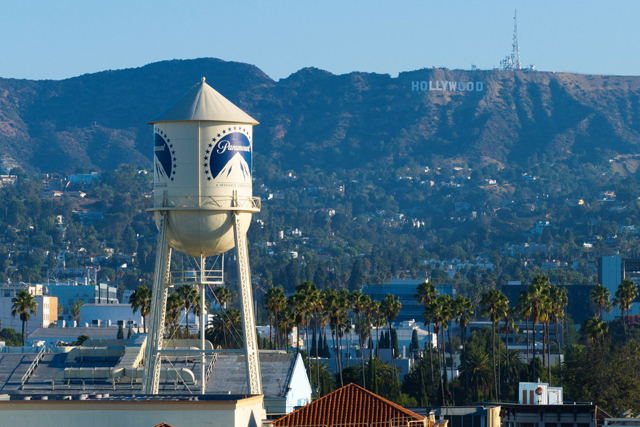
In the last 10 years, we have seen a dramatic shift in the make-up of Hollywood, and not in a good way. The streaming wars ignited by the rise of Netflix sparked a frenzy of business restructuring at all of the Hollywood studios. To deal with this newly formed means of distribution, each studio poured billions of dollars into development of their own platforms as well as into producing exclusive content that would play on those platforms. In all that rush, some of the power players in the industry weren’t able to keep up. So, then came the era of mergers and acquisitions, where the mid-level majors began to be gobbled up by the bigger companies. Not only that, but a giant shift towards tech companies being involved in the entertainment began to occur. Amazon Studios, the production wing of the largest online retailer in the world, merged with the MGM/UA after Amazon bought the once mighty studio after they need to be financially bailed out. Rupert Murdoch decided to put 20th Century Fox on the market after 30 years of ownership so that he could cash in and focus more on his new media empire in his twilight years. After a fierce battle, Disney won out and acquired Fox for a then record $75 billion transaction, which put Disney into a staggering amount of debt that they are only now starting to manage after a couple turbulent years of budget cuts. But now, that merger between Fox and Disney seems pretty small compared to the looming $111 billion deal struck to merge two of Hollywood’s most legendary studios into one: Paramount and Warner Brothers. This deal has been controversial to say the least, and is causing a lot of justifiable worry across the industry as a whole. There are a lot of concerns about what it’s going to mean for employment opportunities, for the independence of the media, for what kind of entertainment value we are going to get, and for the legacy of two of the studios that were instrumental for creating Hollywood into what it is.
This merger has happened on the heels of yet another mega-merger that led into this one. Paramount, which had been under the steady ownership of Viacom for 30 years, was now looking for a buyer after the passing of the company’s longtime CEO Sumner Redstone in 2023. Sumner’s daughter Shari needed to grapple with a significant amount of debt that was affecting the bottom line of Paramount Pictures after the limited success of the launch of their streaming platform Paramount+. That relief came with an offer from Skydance Media’s CEO David Ellison, who were frequent production partners with Paramount on a variety of projects over the years; most notably the Mission: Impossible movies. In a deal valued at $8 billion, the Skydance assets would be merged into Paramount Studios, and the new company would carry a value of $28 billion. Shari would step aside from management of the studio side, with David Ellison taking over as the new CEO. This now put David Ellison in the driver’s seat of one of the top “Big 5” studios in Hollywood. But, his ambitions didn’t end there. He had sights on gaining even more control of the industry. In September 2025, Ellison proposed the idea of acquiring Warner Brothers Discovery, one of Paramount’s competitors in the film industry. He then met with David Zaslev to propose a deal which would be a cash and stock bid for $19 a share. Bound by legal obligations to his shareholders, Zaslev had to publicly announce that Warner Brothers was now officialy up for sale, and sought to see if anyone could beat Paramount’s price. Indeed for a moment it did appear that there was. Netflix put in an even stronger offer to buy the Warner Brothers studio for $82 billion. This wasn’t even for all of the assests that Warners had; they just wanted their studio and the library, with linear television assets likely to be sold in a seperate deal. But Ellison was not through yet. Despite an agreement in principle already being reached between Netflix and Warner Brothers, Ellison put up yet another offer that blew away all that had been seen before in Hollywood; $111 billion for everything; all of Warner Brother’s assests including linear television, such as their cable networks HBO and CNN. Netflix walked away and the deal seemed to have been reached. Paramount and Warner Brothers were now going to be joined into one.
Of course, mergers of this size cannot go through so easily. Anti-trust laws in this country require oversight of the impact that such a deal may have over the market as a whole. Combining two of Hollywood’s major studios into just one entity would make it so that the majority of media in this country would now be in the control of just four mega-corporations: the new Paramount/WB studio, Disney, Comcast (the owners of NBC Universal) and Sony. This would greatly limit competition in the marketplace when only four players are competing, and this can effect everything from job opportunities with the industry as well consumer pricing. If anti-trust laws worked the way they are supposed to, a merger like this wouldn’t be allowed to move forward, and if it were, it would still take months to years of review to get the all clear. But this is where the red flags become even more apparent, as David Ellison and his father Larry Ellison (the world’s second richest man) have a cozy relationship with the current Trump administration. And sure enough, not only has Trump and his allies given the greenlight for this deal, but they have even speed run through it, giving the deal the minimalist of oversight. A lot of that probably has to do with Warner Brothers being in possession of CNN, one of the most watched cable news networks in America. With the Ellisons taking over the network and exerting editorial control over their news room, Trump can now force another news outlet into compliance with favorable coverage of his administration. And this may have likely been the deal the Ellisons made with the President to speed up the approval process. But, not all clearance was so easily made. State governments wanted more assurance from Paramount that this wasn’t going to affect the job market of the already hurting and highly competitive film industry. With California leading the way, 11 state attorney generals filed a legal hold on the merger, preventing it from closing until they could have a court hearing to plead a case that the deal was breaking crucial anti-trust laws. Many legal experts believed that the state AGs had a strong case to make and could force many crucial concessions from Paramount to ensure that long term damage was not made to the industry. Unfortunately, Paramount exerted enough political pressure that California’s attorney general Rob Bonta folded and the last ditch effort failed to stop this merger.
There are a lot of problems about this merger that range across a variety of issues. One is the fact that we are going to lose yet another independent studio in Hollywood. One doesn’t have to look very far to see how one of these mega-mergers has a ripple effect across the industry. When Disney acquired Fox, there was some hope that the two studios would simply operate as two pillars under one roof. But alas over time, we clearly saw who won out in that merger. 20th Century Fox quickly began to recede into the background at Disney. For one thing, the Fox part of the name was completely jettisoned, with 20th Century Studios being the new rebrand. The once mighty studio that dated back to the silent era of Hollywood was now just another brand under the Disney umbrella with no more importance to the company than what Pixar, Marvel and Lucasfilm already offered. Disney did acquire the whole of Fox’s library, but thus far we have only seen the spotlight given to the studio’s most famous films such as The Sound of Music (1965), while most of the other titles are just taking up shelf space in Disney’s expanded library. And this was just the cost to the legacy of the studio. Because of the staggering amount of debt that Disney took on to close the deal, steep financial cuts were made across the company; especially with regards to labor. Several thousands of well paying jobs were cut across both studio entities, and those who were let go had few options available to them in Hollywood, as there was less competition overall thanks to the merger that had also cost them their job. And taking on ownership of Fox didn’t help with the quality of Disney’s productivity either. It certainly didn’t help that Disney also faced the struggles of Covid as well as the mis-management of failed CEO Bob Chapek’s short run in that same amount of time, but when your company is spending so much of it’s time cutting spending that it desperately needs and putting money where it doesn’t need to be, it’s going to lead to some bad results. Disney didn’t improve after acquiring Fox; it more than anything suffered a blow to it’s reputation as a creative friendly company. That’s the worry that many are having about what may happen when Paramount and Warner Brothers are merged together.
Another big worry is the intention behind acquiring Warner Brothers for the Ellison family. It’s been observed that David Ellison has been pushing an agenda within Paramount since acquiring the studio. This is apparent with what is going on at CBS, the network that was already under the Paramount umbrella from it’s Viacom days. CBS’s programing has been tampered with very much by the Ellisons, most clearly in the news room side of things. David Ellison appointed Bari Weiss as the head of CBS News, a former New York Times columnist and blogger with no prior experience in running a broadcast newsroom. Weiss managed to convince David’s father Larry to buy her blog, the ironically called “Free Press,” for a baffling $250 million price tag, and in exchange she now has full editorial control over the news output of CBS and it’s subsidiaries. In exchange, she must now devote CBS News’ coverage to the pet causes of the Ellison family, which includes favorable treatment of the Ellisons’ ally Donald Trump, as well as promoting the industries that the Ellisons are involved in, namely data centers and AI. Proof of Weiss doing the bidding of her media overlords is the decision she made to kill a story on the program 60 Minutes that was exposing the brutal conditions of the illegal immigrant detention centers that the Trump administration was running. This was a clear example of her silencing anything that may appear critical of the current administration in a deliberate act of censorship, which she had hypocritically had championed herself as a fighter against. Another sign of the Ellison’s pushing their agendas across their companies was the decision they made to cancel the Late Show with Stephen Colbert, despite it being a ratings leader in it’s time slot. Colbert’s show was not losing audience interest, and had been retaining it’s viewership better than some of the other late night talk shows that had long been seeing a downturn in the last decade. No good excuse was ever given as to why they canceled the show. The only excuse that we have to go with is the speculation that Colbert was cancelled because he’s been an unapologetic critic of the President and his administration, and that this cancellation was retaliatory. If the Ellison’s are able to exert this much control over the editorial and creative chocies of their company, it’s safe to say that there are a lot of worries about what they’ll do to the parts that belong to Warner Brothers.
There’s also the question about what kind of debt the company is putting itself under. Disney financially suffered after they merged with Fox, but that was for an amount that was $40 billion less than what Paramount is acquiring Warner Brothers for. You have to ask, where is the money coming from. A significant portion of that is being funneled by David Ellison’s father Larry, whose tapping into his own vast fortune that’s been built up from ownerships of data centers and investments in AI. But it’s not the only source of money put into the deal. The Ellisons are also getting financial backing from foreign entities as well, including wealth funds from the governments of Saudi Arabia, Qatar, and the UAE. So, one of Hollywood’s most important media empires that about to acquire another major media empire, will be under the influence of petrol states with some dubious human rights records. That’s going to make a lot of people in Hollywood anxious, given that these studios have always operated as American institutions. Sure, it’s not the first time that Paramount fell under the ownership of oil barons, as they were a subsidiary of Gulf+Western before Viacom took over. Apart from the dubious alliances of who is investing in this deal, the staggering amount is going to overwhelm the newly formed company for a while as they have to deal with a mountain of debt. This puts a lot of pressure on the company that already has been promising too much upfront. David Ellison, in order to convince investors that this is the best possible deal (especially for wary movie theater owners) he has promised an ambitious 30 movie a year slate of films making their way to the big screen. How they are going to pay for that amidst the debt obligations that they’ll also have to cover every year is beyond anyone’s guess. There’s no way that they’ll be able to do this without making steep cuts to labor and significantly restructuring the company. And even that probably won’t even cover the many expenses that David Ellison has been promising shareholders. And what then happens if it all collapses. What happens if the AI bubble bursts, and the Ellisons lose a significant part of their fortune meant to invest in their new studio? What if they are forced to sell, and what do they sell? Who ends up buying the remains of what the Ellisons turned Paramount and Warner Brothers into? The reality is that the Ellisons may end up leading to the ruin of not one but two of Hollywood’s most legendary studio brands.
And this leads to an examination of one of the biggest red flags of them all; David Ellison himself. Ellison fancies himself as one of the biggest power brokers in Hollywood, but it’s largely been a dream financed largely by his family name. Larry Ellison gave David the financial backing to form Skydance Media 20 years ago, which he also did for David’s sister Megan Ellison, who founded the indie film production company Annapurna Pictures. Credit where credit is due, Ellison did oversee Skydance become a success over the years, particularly as a producer of successful action movies. When Paramount was looking for his new leadership, he made his play and got the merger between Skydance and Paramount done, putting him in the position of CEO at a major studio, which probably was a dream come true. It’s easy to believe him when he says that he does what he does out of love for movies that he’s telling the truth. But, saying one thing and doing another is different. The problem with Ellison is that he’s been in the job of CEO now for 2 years at Paramount, and he has yet to actually demonstrate anything close to a creative vision for the studio. Instead, he has spent the majority of his tenure focused entirely on this deal to acquire Warner Brothers. His laser like focus on that has left a creative hole at Paramount. The studio has been a non-entity at the box office this summer, with it’s highest grossing movie of the year embarrassingly being the Scary Movie reboot, which grossed little over $100 million domestic. If David wanted to make a power play for Warner Brothers, he should have demonstrated he could lead Paramount to box office glory first. There’s no visionary direction going on right now at Paramount, and that lack of vision could sadly also extend to Warner Brothers once the deal closes. And Ellison’s approach to getting the deal done has been rather unsavory as well. He has been really callously brushing aside real concerns from industry professionals, trying to gaslight everyone into thinking this is essential for Hollywood to survive. He’s also acted like a bully, threatening anyone who has resisted the merger. His most recent threat was that he was going to move Paramount out of California and take it to a more politically “friendly” state like Texas or Tennesse. Sadly, no one called his bluff, because that threat would never have been practical. Paramount has deep roots in California which it has built up over 100 years, and moving a whole studio away from that and starting new in a whole different state would have been extremely cost prohibitive. Plus you would also be leaving the biggest talent pool in the nation behind; not just with celebrities, but also with below the line workers as well. Tom Cruise is not going all the way to Nashville to take a meeting with David Ellison. He’d rather do a meeting close to home, like most other people in Hollywood would.
As of right now, the deal seems to be moving forward. As of this writing, only one last legal roadblock remains, and all it’s going to do is delay the inevitable by a couple weeks at most. It’s unfortunate that so many caved to the pressure put on them by the Ellisons who have in many ways bullied their way into the halls of power in Hollywood. If this all goes through as it seems it will, it’s going to be dire for the industry as a whole. The job market will shrink even more as it has in the film industry over the last couple years. Another legendary studio will be consumed by another, ending it’s legacy as an independent player. The big worry is that the Ellisons may have gotten in way over their heads trying to take over so much of the media landscape in such a short amount of time. Sure, they have the support of the White House for now, but nothing lasts forever, and future administrations will be more diligent when it comes to enforcing anti-trust laws. In the case of this merger, if David Ellison doesn’t fulfill every obligation he promised the state governments, the investors, the movie theater chains, and just the audience in general, it will lead to the implosion of the new studio he created out of the assets of Paramount and Warner Brothers. If a sale in the future happens, the two studios won’t be split up into what they once were like nothing ever happened. Both the remains of Paramount and Warner Brothers would be sold off as scraps one piece at a time, and that would be the end of two legendary studios that were instrumental in the building of Hollywood as a whole. This is the great danger of these big media acquisitions; the loss of cultural institutions. Warner Brothers and Paramount had identities that were all their own, and they functioned much better as competitors rather than as part of the same company. That’s what Hollywood needs more than anything else; more competition. David Ellison says that his plan to merge the two studios is so that they together can be competitive in a market that includes the likes of Disney, Netflix, Amazon and Apple. But he would have better made his case for more competition by using the time and money his studio had not in trying to acquire another studio, but to improve what he already had, and sell that as competition to the rest of them. Sadly, Hollywood is not investing the money where it should go in general, which is back into the industry itself and investing in better talent and product. The Paramount/Warner Brothers deal is sadly just showing us how little the actual art of filmmaking is being valued by the people in charge, and instead it’s all about making power plays and exerting more control over the media we consume. In essence, it’s making the magic of Hollywood feel more and more like a faded memory, found now only on celluloid treasures of the past.